



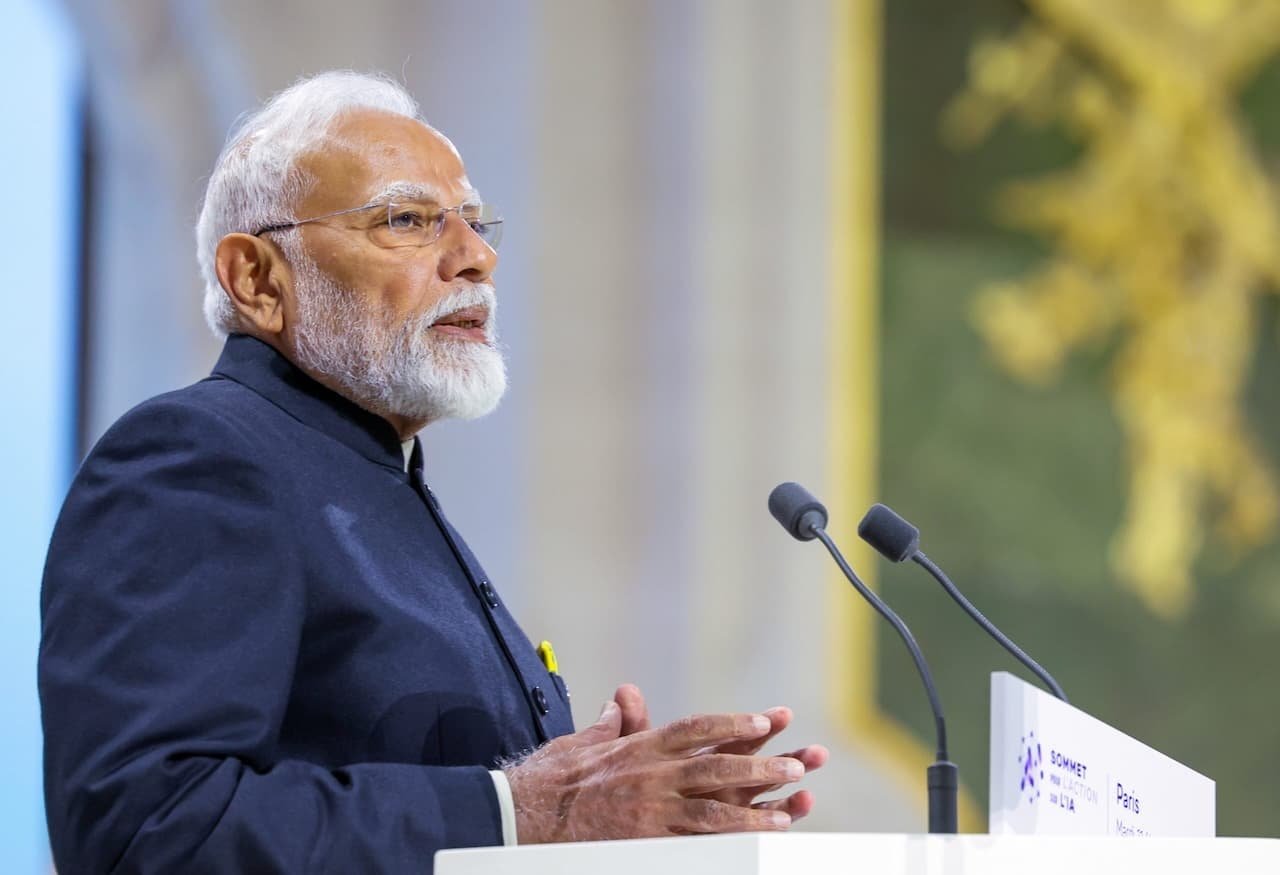
NEW DELHI — In a profound recognition of India’s indigenous resistance history, Prime Minister Narendra Modi paid rich tributes to the tribal icons and freedom fighters of the Santhal Rebellion on the occasion of Hul Divas.
The Prime Minister underscored that the foundational struggle led by tribal leaders remains a powerful symbol of the unbreakable spirit of the indigenous communities who fought to protect their dignity, land, and honor from foreign exploitation.
Honoring the Architects of the Santhal Rebellion
In his national message, delivered across English, Hindi, and Santhali languages, Prime Minister Modi paid solemn homage to the iconic siblings who spearheaded the historic Hul (Rebellion) of 1855, which shook the foundations of the British East India Company prior to the 1857 mutiny.
The Heroes of the Movement:
-
Sido and Kanhu Murmu: The primary military and ideological strategists of the Santhal insurgency against oppressive British colonial administrative networks and the local zamindari system.
-
Chand and Bhairav: Brother-commanders who organized the operational logistics and mobilization of over 60,000 Santhal bowmen and fighters.
-
Phulo and Jhano: Female tribal icons who led underground intelligence cells, broke through colonial cordons, and directly participated in frontline skirmishes to defend tribal autonomy.
Preserving Tribal Dignity and Sovereignty
The Prime Minister emphasized that the story of their sacrifice continues to serve as an enduring source of national inspiration and structural energy for modern India.
“Hul Divas is a powerful symbol of the extraordinary spirit of our tribal society, who were ready to sacrifice everything for the motherland. My respectful tributes to all those brave men and women like Sido-Kanhu, Chand-Bhairav, and Phulo-Jhano, who stood firm against the injustice of foreign rule. The story of their struggle and sacrifice for the protection of tribal dignity and honor will continue to infuse new energy into the hearts of the countrymen.” — Prime Minister Narendra Modi
Historic Impact of the Santhal Hul
The Santhal Rebellion erupted in June 1855 in the present-day Jharkhand and West Bengal regions, marking one of the earliest and most fierce peasant-led anti-colonial revolutions in the Indian subcontinent.
By paying tributes in multi-lingual scripts—including the native Ol Chiki script for the Santhali language—the Prime Minister’s Office highlighted the government’s ongoing cultural commitment to bringing marginalized tribal resistance movements into the mainstream national narrative, ensuring that the legacy of indigenous freedom fighters is preserved across generations.
