



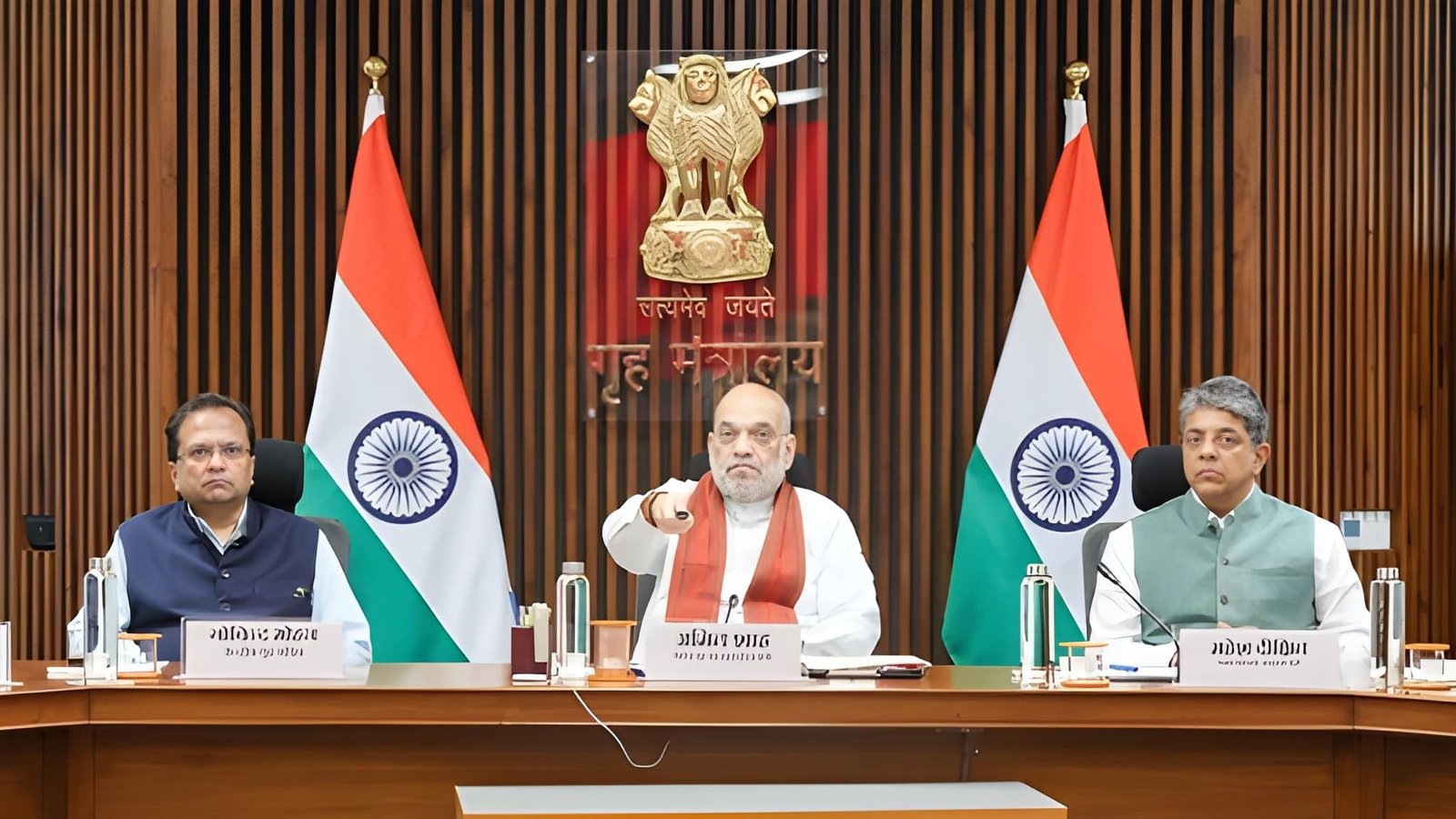
NEW DELHI — Advancing its sovereign monitoring capabilities alongside overseas diaspora services, the Union Home Ministry has rolled out the technologically revamped FCRA 2.0 Portal and a fully digital Electronic Overseas Citizen of India (e-OCI) Card ecosystem.
The coordinated launch balances institutional speed with robust regulatory compliance, moving critical national security oversight and diaspora identification into an automated, paperless environment.
Data Integration and Real-Time Verification in FCRA 2.0
The newly deployed FCRA 2.0 architecture completely digitizes the processing lifecycle of the Foreign Contribution (Regulation) Act. This technological expansion allows the Ministry of Home Affairs to efficiently audit a vast domestic network of nearly 14,500 active registered non-governmental organizations that submit thousands of complex compliance filings annually.
Core Architecture Features:
-
Secure Infrastructure: Hosted natively on the National Government Cloud platform (MeghRaj).
-
Deep API Linkages: Features live, multi-agency backend handshakes with central tax networks (PAN), the NGO Darpan repository, and the global OCI registry.
-
Compliance Automation: Embedded with Optical Character Recognition (OCR) systems, secure identity verification layers, and electronic signature interfaces to expedite legal document processing.
-
Regulatory Alignment: System protocols are fully mapped to enforce the updated provisions of the Foreign Contribution (Regulation) Amendment Rules, 2026.
Streamlining Border Transit for Over 50 Lakh OCI Holders
Simultaneously, the introduction of the e-OCI ecosystem migrates diaspora identification management to a cloud-based framework. The update enables more than 50 lakh OCI cardholders across the world to manage documentation online and download instantly verifiable digital credentials directly to their mobile devices.
Major Procedural Relaxation: In a significant shift to ease international travel, the Home Ministry has permanently removed the requirement for OCI holders above the age of 20 to secure a new physical passport booklet every time their foreign passport is renewed. Moving forward, cardholders are only required to digitally update their new passport coordinates on the portal, ensuring smoother, automated immigration and customs clearance at international checkpoints.
Enhanced Financial Intelligence and Future Roadmap
By shifting both platforms to a unified digital framework, the Home Ministry establishes real-time visibility over cross-border capital inflows from a national security standpoint.
To further optimize enforcement, official channels confirmed that upcoming phases of the digital rollout will introduce AI-assisted compliance analysis chatbots, specialized secure mobile applications, and dedicated transaction-monitoring dashboards for partnered commercial banks.
