



New Delhi | July 31, 2026
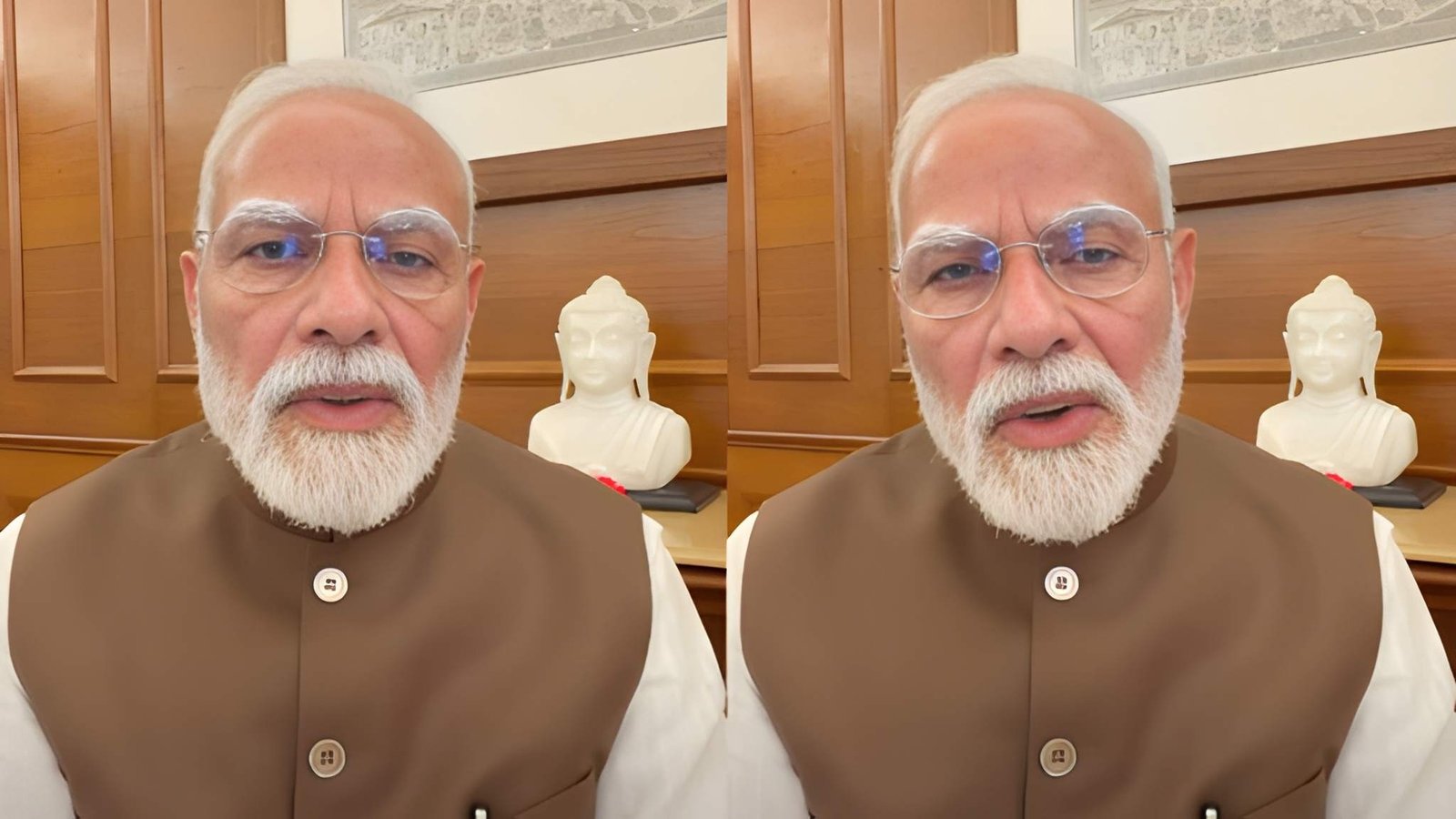
Prime Minister Narendra Modi released an official video message on Instagram following the passage of the Public Examination (Prevention of Unfair Means) Amendment Bill, 2026 by both Houses of Parliament.
Highlighting the legislation’s passage as a crucial step toward building a transparent and trustworthy examination framework, the Prime Minister emphasized that strict penal provisions are essential to deter organized paper leak syndicates and safeguard the aspirations of India’s youth. The address marks his fourth direct digital engagement on Instagram within a week addressing educational reforms and paper leak countermeasures.
The newly passed legislation imposes stringent penalties—including prison terms ranging from 5 to 10 years and fines up to ₹50 lakh for individuals, alongside minimum 7-year jail sentences and fines starting at ₹10 crore for organized crime. Furthermore, the law empowers state governments and Union Territory administrations to set up Special Fast-Track Courts to complete trials within three months of chargesheet filing.
Policy & Legislative Key Takeaways
-
Legislation: Public Examination (Prevention of Unfair Means) Amendment Bill, 2026
-
Parliamentary Status: Passed by Lok Sabha (July 29) & Rajya Sabha (July 30)
-
Key Penal Enhancements:
-
Individual Malpractice: 5–10 years imprisonment | Fine up to ₹50 Lakh
-
Organized Syndicates: 7–10 years imprisonment | Minimum fine of ₹10 Crore
-
-
Judicial Mechanism: Empowerment of States/UTs to establish Special Fast-Track Courts with a 3-month trial completion mandate post-chargesheet.
-
Institutional Initiatives: Parallel establishment of an expert task force headed by Nandan Nilekani to overhaul exam infrastructure.
-
Sector: Public Examinations, Civil Services Recruitment & Youth Affairs
