



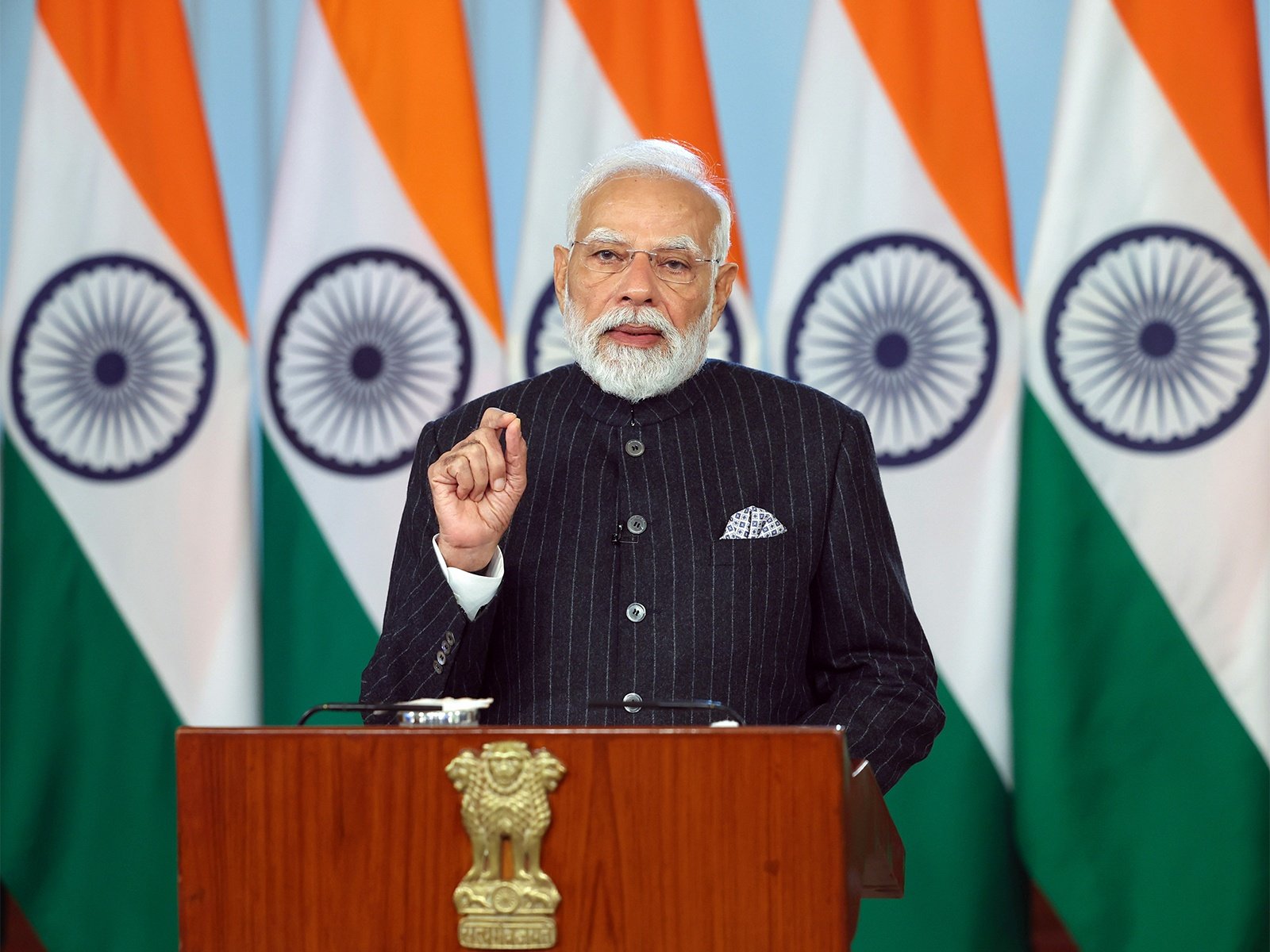
NEW DELHI — On May 6, 2026, Prime Minister Narendra Modi underscored the importance of compassion and selfless service, describing them as the “truest form of humanity.” In a message shared with the nation, he emphasized that actions performed without personal interest lead to both inner peace and the collective welfare of society.
The Sanskrit Wisdom
To illustrate this philosophy, the Prime Minister shared a Sanskrit Subhashitam (a wise saying) that defines the pillars of exemplary character:
“अद्रोहः सर्वभूतेषु कर्मणा मनसा गिरा।
अनुग्रहश्च दानं च शीलमेतत्प्रशस्यते॥”
Translation & Meaning: The verse outlines three core principles that constitute the highest form of conduct (Shila):
-
Adroha (Non-malice): Harboring no hatred toward any living being in thought (Manasa), word (Gira), or deed (Karmana).
-
Anugraha (Compassion): Acting with kindness and grace toward all creatures.
-
Dana (Generosity): The practice of giving selflessly to those in need.
A Message to Society
In a post on the social media platform X, the Prime Minister translated these ancient values into a modern context, stating that selfless service is the foundation of a strong and empathetic nation.
Key Takeaways from the PM’s Message:
-
Spiritual Growth: Selfless work acts as a source of spiritual satisfaction and “Atmik Khushi” (inner happiness).
-
Social Impact: Individual acts of kindness contribute directly to the welfare of the community.
-
Holistic Conduct: True character is not just about what one does, but also about the purity of one’s intentions and speech.
Strategic Context
This message aligns with the Prime Minister’s frequent citations of Indian heritage and Vedic philosophy to inspire civic duty. By highlighting the spirit of Nishkama Karma (action without attachment), the Prime Minister continues to advocate for a value-based society where individual conduct is measured by its contribution to the common good.
