



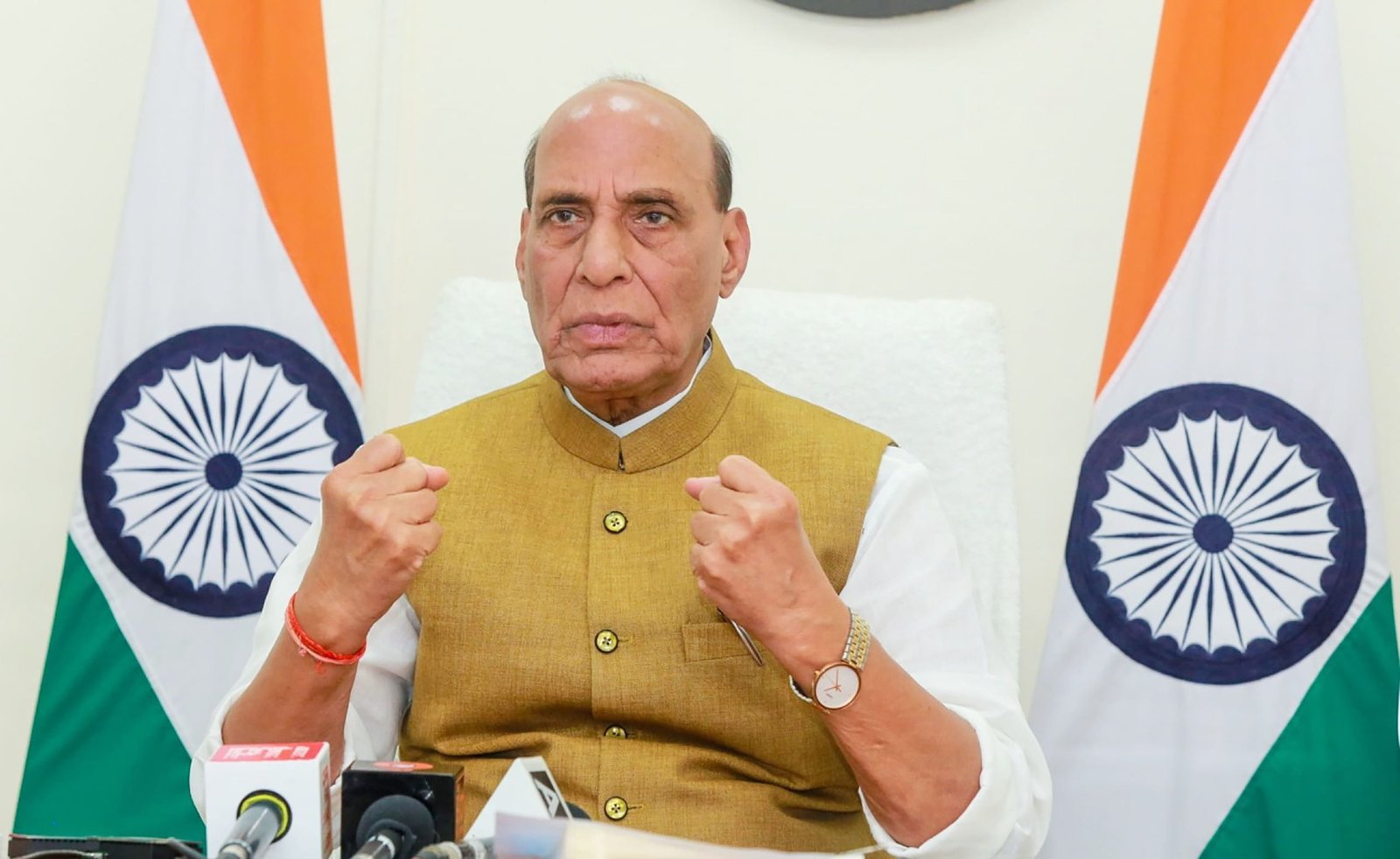
NEW DELHI — Marking a historic milestone in bilateral relations, Defence Minister Rajnath Singh announced that the India-UK Comprehensive Economic and Trade Agreement (CETA) has officially come into force today.
The Defence Minister described the landmark trade pact as a transformative step that will significantly accelerate India’s economic growth, expand its global trade footprint, and deepen strategic ties with the United Kingdom.
Key Economic Benefits of the India-UK CETA
The agreement is expected to unlock massive economic potential across multiple sectors in both nations. Highlighting the primary advantages of the deal, Mr. Singh noted that the CETA will:
-
Boost Exports: Open up tariff-free or preferential access for a wide range of Indian goods in the UK market.
-
Empower MSMEs: Create a highly favorable ecosystem and new cross-border trade opportunities for India’s Micro, Small, and Medium Enterprises.
-
Support Domestic Industry: Offer Indian manufacturers better integration into global supply chains and access to advanced technologies.
-
Benefit Indian Professionals: Secure easier mobility and better professional avenues for Indian skilled workers, tech talent, and specialists operating in the UK.
-
Drive Investment: Attract fresh British foreign direct investment (FDI) into India’s manufacturing, infrastructure, and technology sectors.
Realizing the Vision of ‘Viksit Bharat’
The Defence Minister emphasized that this trade deal aligns perfectly with the central government’s long-term economic roadmap and foreign policy objectives.
“Securing India’s Future on the Global Stage”
“Under the leadership of Prime Minister Narendra Modi, India continues to secure robust global agreements that strengthen the domestic economy, expand international opportunities, and significantly contribute to the vision of a Viksit Bharat (Developed India),” Mr. Singh stated in a social media post.
With the CETA now active, businesses and trade bodies in both India and the United Kingdom are expected to begin rolling out new operational frameworks to leverage the reduced tariffs and simplified regulatory pathways immediately.
