



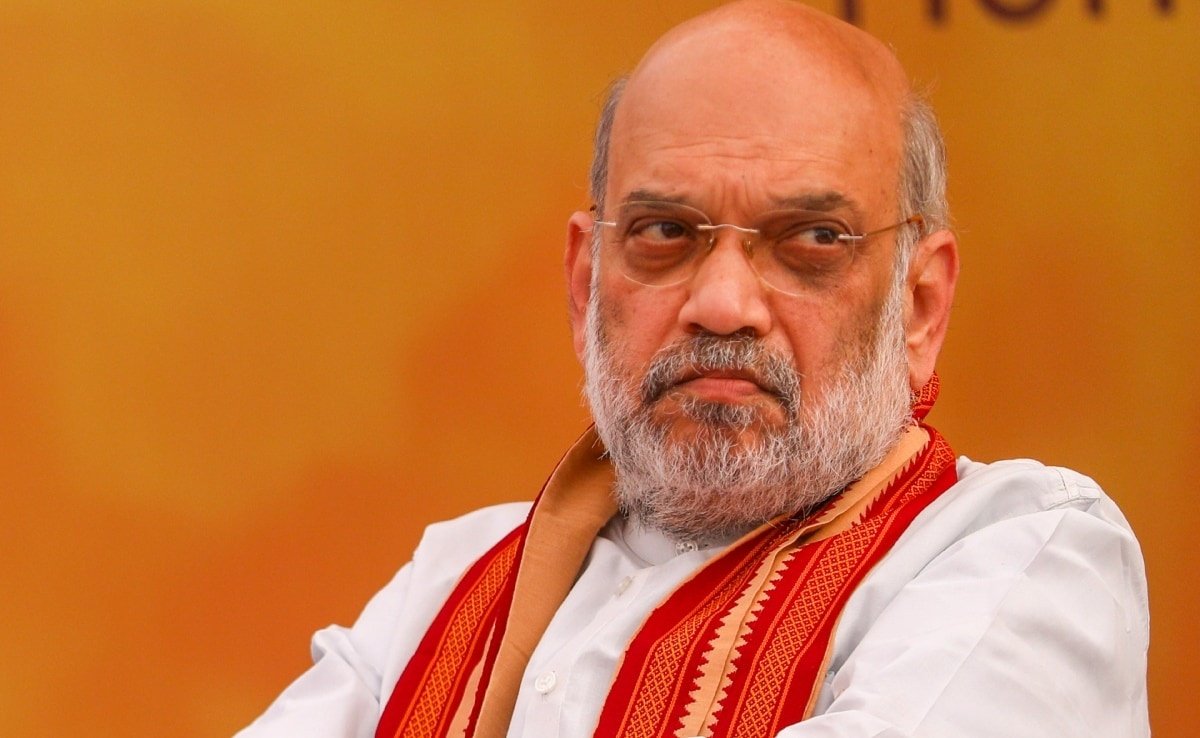
NEW DELHI: Addressing a major pan-India tribal conclave, Union Home Minister Amit Shah delivered an ironclad assurance that the proposed Uniform Civil Code (UCC) will completely bypass the country’s indigenous population. He firmly dismissed ongoing criticisms as part of a coordinated campaign of misinformation.
The declaration was made over the weekend at the Janjati Sanskritik Samagam hosted at the Red Fort grounds, a massive convention marking the 150th birth anniversary year of tribal icon Bhagwan Birsa Munda. Shah emphasized that the central administration has mandated strict legislative firewalls to protect the cultural autonomy of tribal communities.
Core Protections and Administrative Commitments
-
Guaranteed Exclusion: The Home Minister clarified that the legal mechanics of the UCC will not apply to tribal or Vanvasi groups. He noted that in every state where a BJP-led government is advancing or enacting the civil code, statutory clauses have been built in to explicitly shield indigenous populations.
-
Insulation of Customary Traditions: Shah explicitly stated that the new unified legal framework will not alter, restrict, or challenge traditional customary laws governing marriages, ancestral inheritance, or community-based social practices.
-
Dispersing Misinformation: Attendees were urged to actively counter political fear-mongering by spreading accurate information across remote forest corridors, hill districts, and rural villages.
Strategic Milestone: The Elimination of Naxalism
Shifting his focus to national internal security, the Home Minister announced a major turnaround in regions historically affected by Left-Wing Extremism (LWE):
“An armed struggle that choked development across our tribal belts for five decades and claimed the lives of 40,000 tribal citizens has been effectively neutralized. India is now on the definitive path to becoming entirely free from the Naxal problem.”
With the security vacuum resolved, Shah explained that federal resources are being redirected toward building robust physical infrastructure, specialized schools, and medical networks in long-neglected forest interiors.
Comparative Tracking: Allocations and Political Integration
Shah highlighted a structural shift in how tribal development is funded and prioritized compared to previous political eras:
-
Budgetary Expansion: The annual financial layout dedicated to tribal welfare has been scaled up from a historical baseline of ₹28,000 crore to an unprecedented ₹1.5 lakh crore.
-
High-Level Governance: Shah cited the elevation of Droupadi Murmu to the office of President of India as a historic milestone, alongside the recent appointments of tribal Chief Ministers to head governments in Odisha and Chhattisgarh.
-
Electoral Shifts: He pointed to the recent West Bengal assembly elections as evidence of deep political trust, noting that the BJP secured victories in all 16 assembly seats reserved for Scheduled Tribes (ST) in the state.
Preserving Identity Against Coerced Conversions
Addressing deep-seated concerns regarding demographic and social shifts within indigenous zones, the Home Minister spoke out strongly against predatory religious conversions. He noted that while the Constitution ensures the freedom to practice faith with dignity, no external entity has the legal or moral authority to alter a person’s traditional beliefs through economic inducements, deception, or forced manipulation.
Lauding the mobilization efforts of the Janjati Suraksha Manch and the Vanvasi Kalyan Ashram, Shah concluded that the gathering represented the largest collective awakening since Birsa Munda’s historic Ulgulan (rebellion), reinforcing that the tribal paradigm of nature conservation remains a vital model for global sustainability.
