



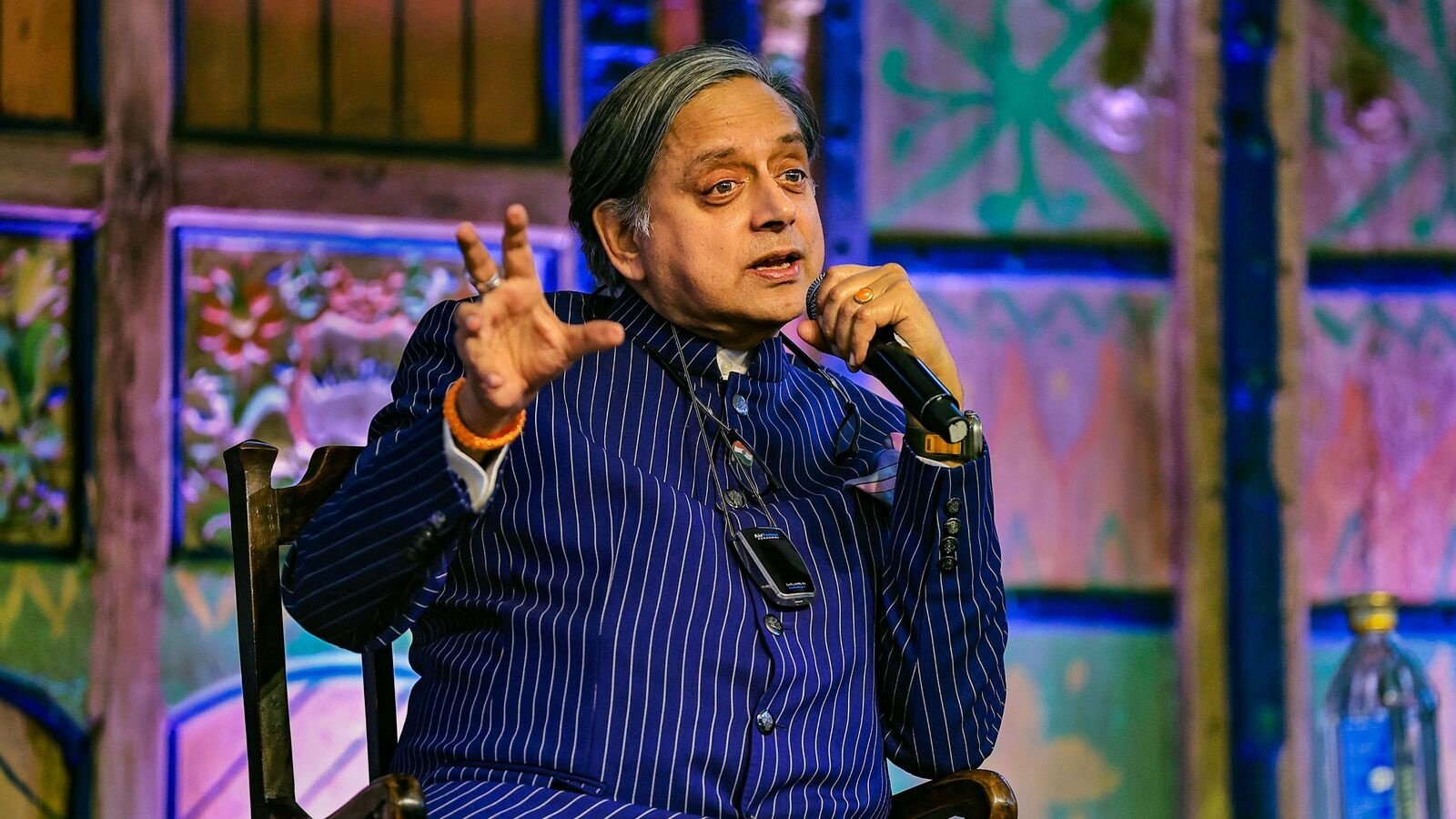
NEW DELHI — Congress MP Shashi Tharoor has publicly criticized the Central government following a declaration by the Ministry of External Affairs (MEA) that an Indian passport is primarily a “travel document and not a conclusive proof of citizenship.”
The government defended its position by citing Section 20 of the Passports Act of 1967, which permits the state to issue passports to non-citizens under exceptional circumstances. However, Tharoor slammed this legal technicality as an “absurd legal paradox” that disregards the intense background checks and police verifications everyday citizens must clear to obtain one.
“For decades, the passport has been considered the gold standard of identity,” Tharoor posted on X. “To turn around and declare that the very document born from this rigorous vetting does not actually prove citizenship creates an absurd legal paradox. If a passport does not establish domestic citizenship, then what does?”
Government sources dismissed the backlash, stating that this has been the established legal position for decades. “The passport has never been a proof of citizenship,” a source noted, adding that the rule long predates the current administration.
Red-Striped Identification: Tharoor’s Legislative Fix
To resolve the growing public confusion, Tharoor urged the government to implement a comprehensive legislative overhaul. He proposed amending the law to ensure both passports and national identity cards serve as definitive proof of citizenship unless officially revoked by the state.
Addressing the structural hurdle—that national identity cards are currently issued based on a 182-day local residency requirement rather than nationality, making them available to non-citizen residents—Tharoor suggested a practical solution for the Unique Identification Authority of India (UIDAI):
-
Distinct Non-Citizen Cards: Issue specific identity cards featuring a visible diagonal red stripe across the front for non-citizens living in India.
-
Simplified Verification: By creating a clear visual distinction between the two tiers, the government could safely mandate that either a standard citizen’s card or a valid passport stands as absolute proof of Indian nationality.
According to Tharoor, this straightforward policy change would streamline domestic security verifications, eliminate bureaucratic hurdles during voter roll revisions, and give Indian citizens legal peace of mind.
Passport Application Fees Witness Sharp Hike
Coinciding with the ongoing political debate, the MEA issued a gazette notification updating passport fees. The cost of applying for a standard, fresh 36-page passport has been officially raised from ₹1,500 to ₹2,500.
