



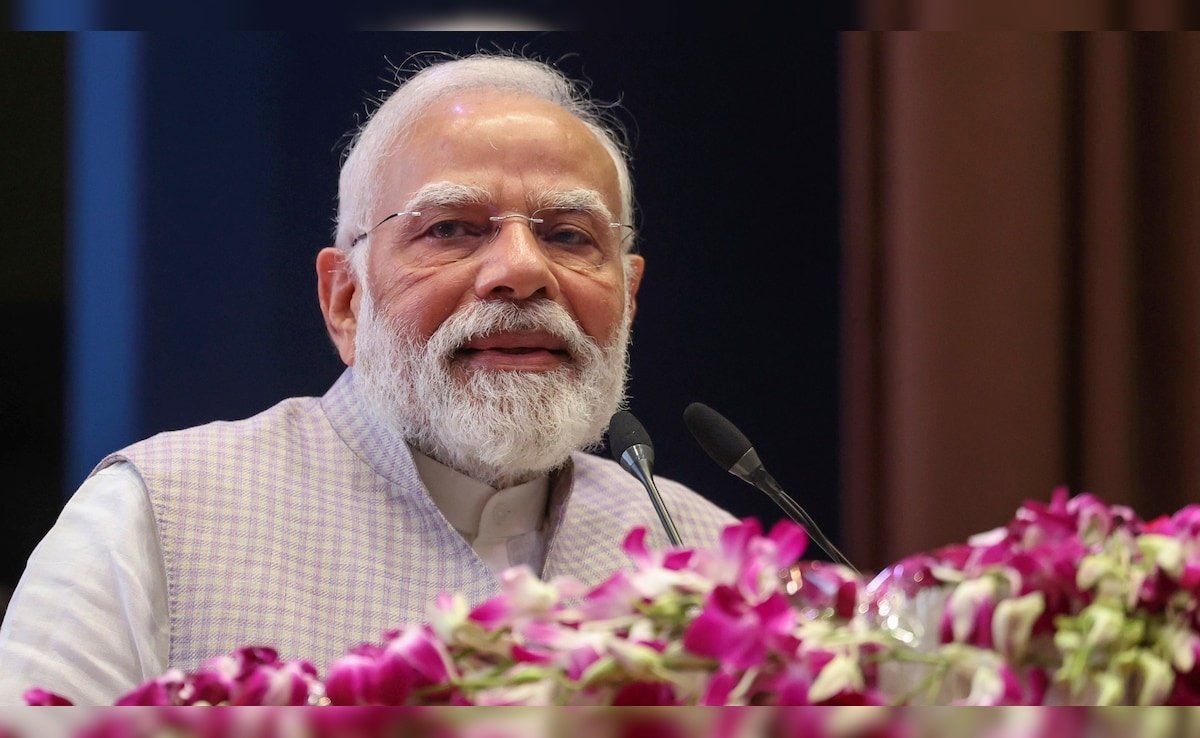
NEW DELHI: Emphasizing the foundational role of ethical conduct in nation-building, Prime Minister Narendra Modi stated that humility, forgiveness, and noble behavior constitute the true ornaments of an individual’s personality. He noted that it is precisely by embodying these timeless virtues that citizens across the country are actively and continuously working toward achieving the vision of a Viksit Bharat (Developed India).
To underscore this message, the Prime Minister shared a sacred Sanskrit Subhashitam from classical heritage:
“तेजः क्षमा धृतिः शौचमद्रोहो नातिमानिता।
भवन्ति सम्पदं दैवीमभिजातस्य भारत।।”
Philosophical Meaning and National Context
The traditional verse, rooted in ancient Indian philosophical texts, outlines the core characteristics that define an upright and elevated individual. The Prime Minister provided a detailed interpretation of the Subhashitam, translating its components into an actionable blueprint for modern civic life:
-
Radiance and Resilience: The verse highlights inner radiance (Tejah), absolute forgiveness (Kshama), and unwavering courage or fortitude (Dhriti) as essential pillars of character.
-
Purity and Dedication: It emphasizes absolute purity of conduct (Shaucham) alongside a sincere, non-malicious dedication to the welfare of the collective nation.
-
Egoless Demeanor: The phrase Natimanita represents a deeply humble personality that remains entirely free from arrogance and self-conceit.
According to the shared commentary, individuals who naturally possess and practice these multi-dimensional qualities are regarded as being endowed with divine virtues (Daivim Sampadam).
Executive Message on Social Capital
Sharing his thoughts on the digital platform X, Prime Minister Modi seamlessly bridged ancient cultural wisdom with contemporary developmental goals, reminding citizens that material progress must always be anchored by strong moral and ethical value systems.
