



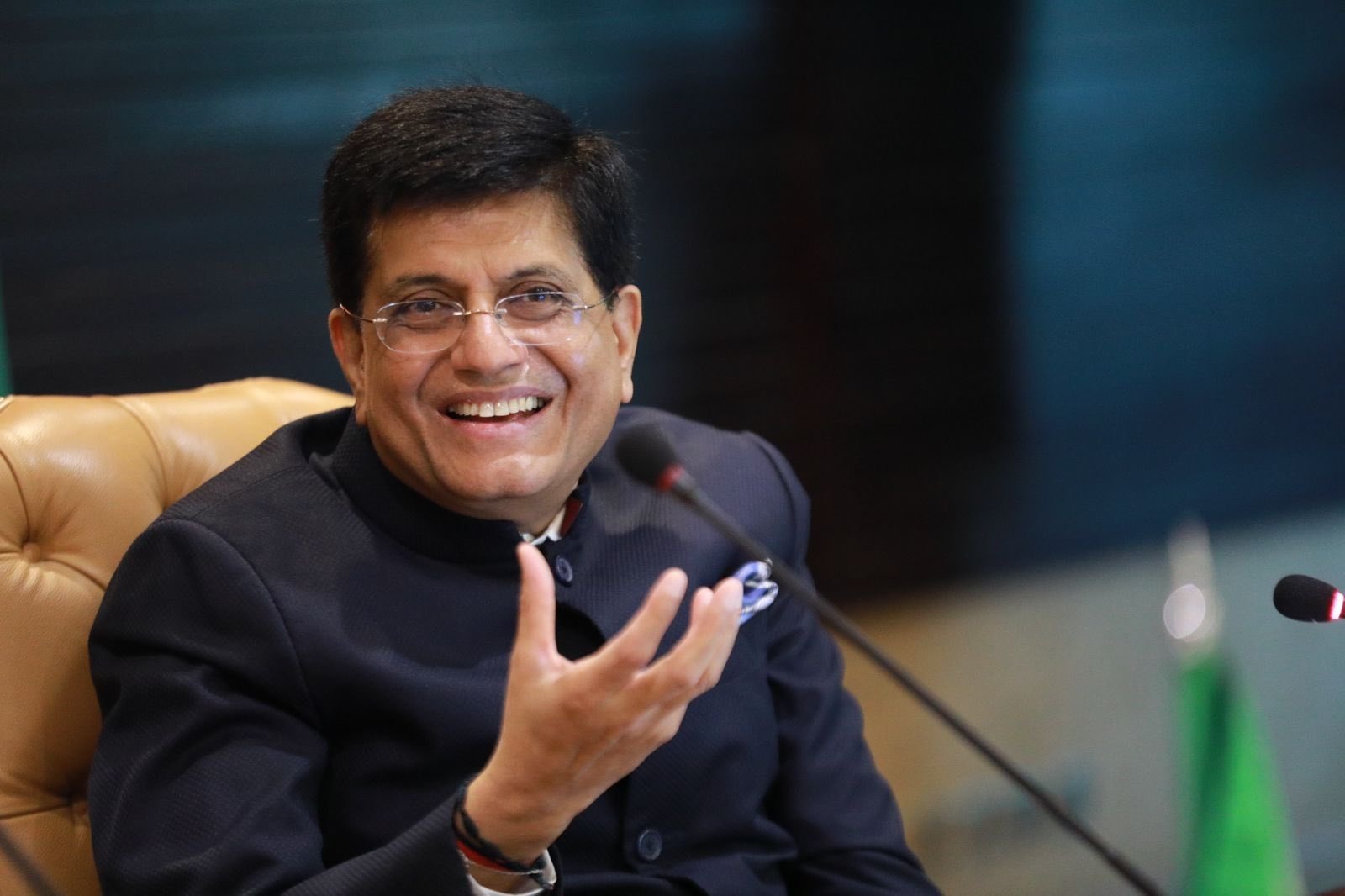
NEW DELHI — Addressing the 17th Toy Biz International B2B Exhibition 2026, Union Minister of Commerce and Industry Shri Piyush Goyal unveiled a comprehensive roadmap to establish India as a dominant global toy manufacturing hub.
Highlighting a 239% surge in toy exports and a 32% decline in imports over the last four years, the Minister outlined critical quality compliance structures, advanced technology targets, and impending Free Trade Agreement (FTA) opportunities aimed at driving tenfold growth in the sector.
Key Industrial Deliverables & Infrastructure Support
1. Dedicated Testing Facilities & Centres of Excellence
To help domestic manufacturers meet international safety and durability benchmarks, the government will establish modern testing laboratories across all major toy manufacturing clusters.
-
Network Integration: Testing infrastructure will be deployed via the Bureau of Indian Standards (BIS), National Test House, and various semi-government facilities.
-
Public-Private Partnerships (PPP): The Minister proposed a joint model to build Centres of Excellence featuring specialized design centers, rapid prototyping facilities, and batch-wise quality verification labs.
2. Technology Upgradation & Advanced Manufacturing
Shri Goyal urged the sector to transition away from traditional assembly processes toward high-precision automated systems:
-
Integration of Computer-Aided Design (CAD), Computer-Aided Manufacturing (CAM), and CNC machining to guarantee structural precision.
-
Emphasis on operational execution details: optimizing stitching quality, high-grade paint safety, smooth-edge finishing, and localizing components like miniature motors, electronics, dies, and molds.
3. MSME Regulatory Protections
-
Scale-up Incentives: The Minister reminded small-scale units that export turnover is legally excluded from calculations determining MSME categorization, allowing factories to aggressively tap global markets without losing micro, small, or medium enterprise benefits.
-
Anti-Dumping Measures: Reaffirming commitment to Quality Control Orders (QCOs), the Minister assured the industry of strict legal protection against unfair imports and dumping via the Directorate General of Trade Remedies (DGTR).
Capitalizing on India’s Expanding FTA Network
The Ministry highlighted that India’s recent string of nine reciprocal trade pacts opens up unprecedented zero-duty pathways to high-income international markets:
| Region / Country | Tariff Status / Operational Timeline | Strategic Target Market |
| United Kingdom | Operational from July 15, 2026 | Premium retail chains and e-commerce platforms. |
| European Union | Zero-duty access active across 27 nations | Premium, high-margin markets (Italy, France, Germany, Spain, Portugal). |
| Australia | Duty-free access fully operational | High-income consumer segments. |
| New Zealand | Duty-free access expected by End of 2026 | Expanding ocean trade presence. |
| GCC, LatAm, Canada | Agreements projected to advance by End of 2026 | Emerging economic zones (GCC, Mexico, Brazil, Canada). |
Market Shift: From Import Reliance to Domestic Dominance
Reflecting on the impact of the National Toy Action Plan (2020) and the Make in India initiative, the Minister noted a complete structural shift in the domestic market:
Market Transformation: Historically, domestic manufacturers serviced a mere 12% of the Indian toy market. Today, in an estimated ₹18,000 crore domestic market, foreign imports have been compressed down to just ₹2,500–3,000 crore, with local manufacturers capturing the remaining market share across the country’s 50+ newly established industrial toy clusters.
