



New Delhi | July 30, 2026
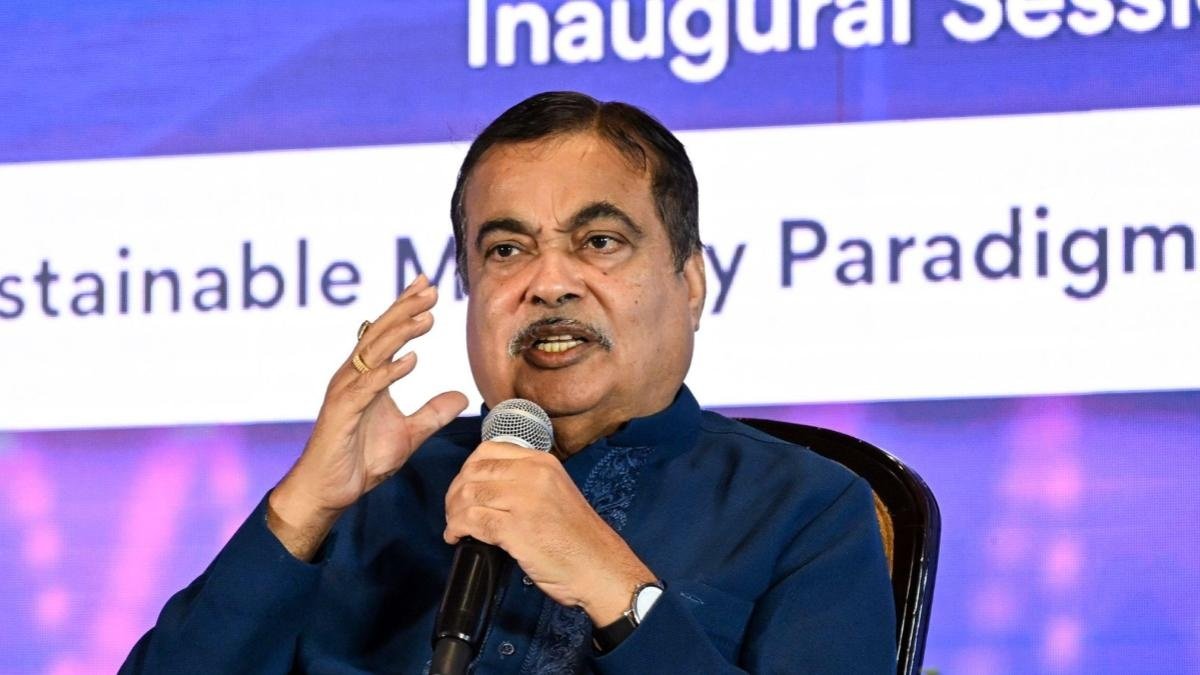
In a detailed written clarification to the Rajya Sabha, Union Minister for Road Transport and Highways Nitin Gadkari affirmed that the rollout of E20 petrol (20% ethanol blend) does not require any mechanical or structural engine alterations across two-wheeler and four-wheeler fleets.
Relying on findings from comprehensive studies conducted by ARAI, SIAM, IIP Dehradun, and Indian Oil Corporation, the Minister assured lawmakers that E20 fuel maintains drivability and causes no abnormal engine wear. For older Bharat Stage (BS)-III vehicles manufactured between April 2005 and 2016, minor rubber components and gaskets may experience gradual wear and can be easily swapped out during standard maintenance schedules.
Core Findings & Fleet Guidance
-
Engine Integrity Assured: Empirical trials confirm no issues regarding startability, metal corrosion, or plastic degradation across existing vehicle models.
-
Targeted Servicing for Older Models: BS-III vehicles produced from 2005 to 2016 require only low-cost rubber part and gasket replacements during routine oil/servicing appointments.
-
Mileage Factors Clarified: Testing agencies and vehicle manufacturers noted that overall fuel efficiency is governed by multiple variables—such as driving habits and vehicle upkeep—rather than ethanol blending alone.
-
EBP Programme Framework: The nationwide transition follows the phased roadmap established by NITI Aayog to cut energy imports and lower carbon emissions.
Executive Data Summary
-
Ministry: Ministry of Road Transport and Highways (MoRTH)
-
Subject: E20 Petrol Fleet Compatibility & Vehicle Safety Assessment
-
Specific Cohort: BS-III Petrol Vehicles (Manufactured April 2005 – 2016)
-
Maintenance Requirement: Routine replacement of minor rubber gaskets during regular service
-
Research Partners: ARAI, SIAM, IIP Dehradun, and Indian Oil Corporation (IOCL)
