



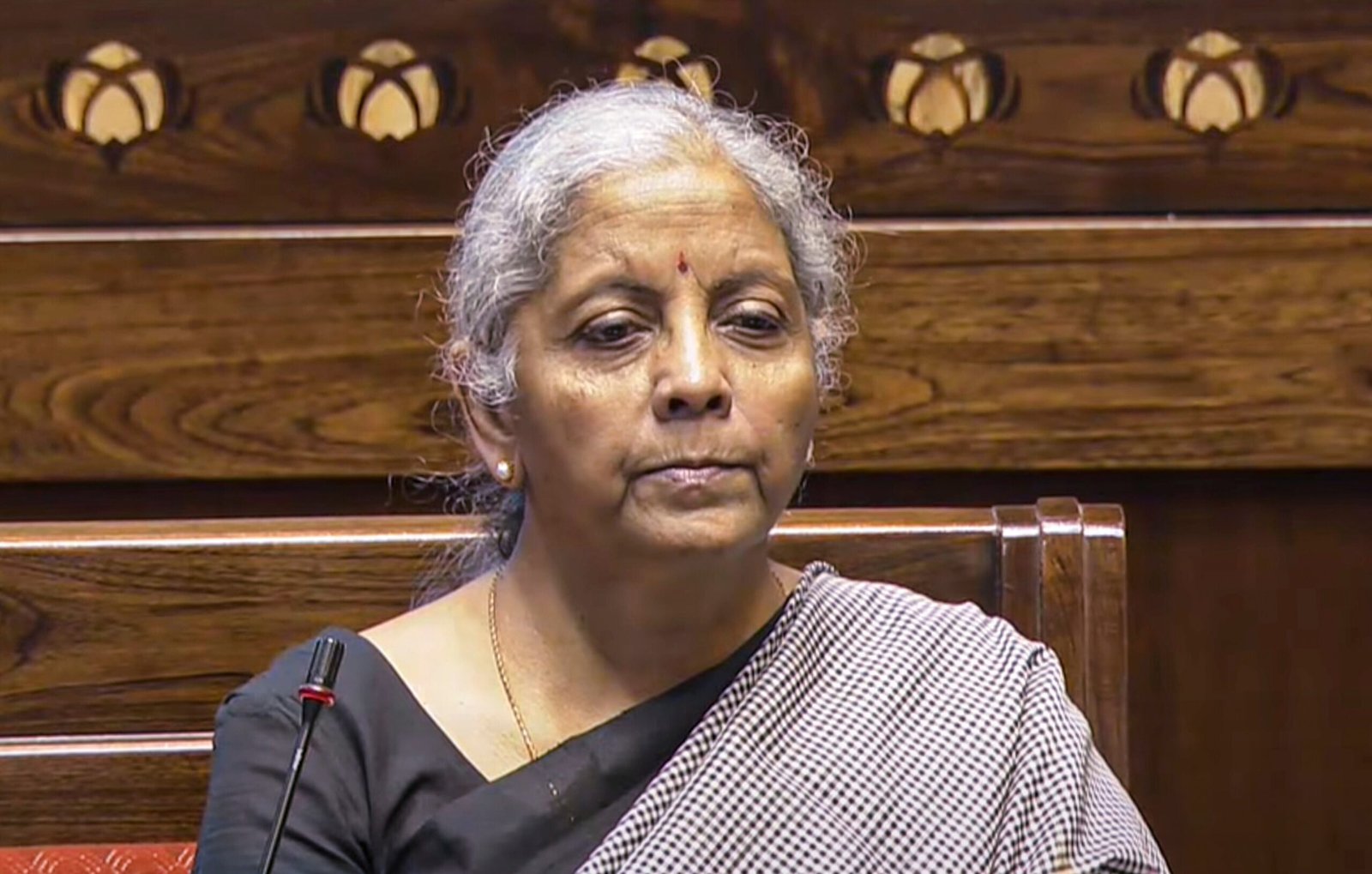
NEW DELHI – The Lok Sabha has passed a landmark bill to amend the Insolvency and Bankruptcy Code (IBC) on March 30, 2026. Piloted by Finance and Corporate Affairs Minister Nirmala Sitharaman, the bill introduces 12 key amendments designed to maximize asset value for stakeholders and streamline the resolution process.
The amendments address long-standing bottlenecks in the 2016 framework, particularly regarding delays and international recovery.
Key Pillars of the IBC Amendment Bill, 2026
-
Cross-Border Insolvency Framework: For the first time, the IBC will include a formal mechanism to handle companies with assets and creditors located outside India. This aligns Indian law with global UNCITRAL standards, allowing for coordinated recovery across multiple jurisdictions.
-
Out-of-Court Settlement Option: A new “Pre-packaged” style settlement option has been expanded, allowing debtors and creditors to reach a resolution plan before approaching the National Company Law Tribunal (NCLT), significantly reducing the burden on courts.
-
Strict Timelines: The bill reinforces the mandatory 330-day limit for the completion of the Corporate Insolvency Resolution Process (CIRP), including litigation time, to prevent the erosion of asset value.
-
Value Maximization: Minister Sitharaman emphasized that the amendments focus on “resolution rather than liquidation,” ensuring that businesses remain “going concerns” whenever possible.
Improved Governance and Transparency
The 12 amendments also aim to improve the governing process itself by:
-
Strengthening the role of Insolvency Professionals (IPs).
-
Enhancing the digital tracking of cases to ensure transparency for operational and financial creditors.
-
Providing clearer guidelines for the distribution of proceeds to avoid protracted legal battles between different classes of creditors.
Strategic Impact
The Finance Minister noted that since its inception in 2016, the IBC has fundamentally changed the “debtor-creditor relationship” in India. These 2026 updates are intended to move India higher in global “Ease of Doing Business” rankings by providing a more predictable and efficient exit mechanism for failed businesses.
