



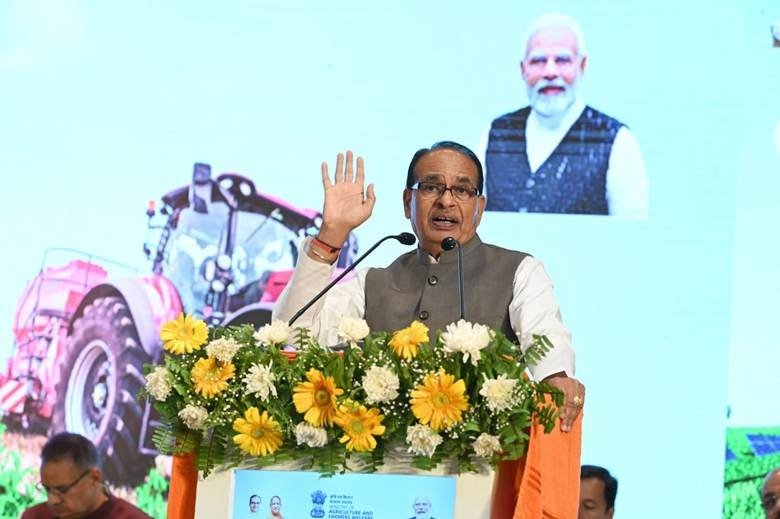
LUCKNOW — The Union Ministry of Agriculture and Farmers Welfare convened the North Zone Agriculture Conference in Lucknow, signaling a shift toward region-specific governance. Union Agriculture Minister Shri Shivraj Singh Chouhan and Uttar Pradesh Chief Minister Shri Yogi Adityanath led the summit, which included ministers from six states and three Union Territories.
The conference focused on moving away from “one-size-fits-all” national planning toward localized strategies tailored to the unique climates of North Indian states.
Key Strategic Directives
-
Zonal Roadmaps: Minister Chouhan urged every state to develop a distinct agricultural roadmap. He noted that while Punjab and Haryana are grain hubs, states like Himachal Pradesh and Jammu & Kashmir should focus on their strengths in horticulture.
-
Lab-to-Land Transfer: CM Yogi Adityanath emphasized that scientific research is only valuable once it reaches the field. He highlighted the Viksit Krishi Sankalp Abhiyan, which brings scientists directly to villages for field demonstrations.
-
Crackdown on Counterfeits: A strong warning was issued against the sale of fake seeds and fertilizers. The Minister called for strict legal action and special state campaigns to protect farmers from fraud.
Economic & Operational Goals
The summit outlined a three-pronged national objective: Food Security, Increased Income, and Nutritious Food. To achieve this, the leadership proposed:
-
Diversification: Encouraging small farmers to move beyond grain into animal husbandry, fisheries, beekeeping, and poultry.
-
Digital Integration: Accelerating the rollout of Kisan IDs and Kisan Credit Cards (KCC) to simplify access to institutional credit and government benefits.
-
Soil Health: Promoting natural farming and organic alternatives to reduce the rising—and often unnecessary—dependency on chemical fertilizers.
Preparing for Kharif & Rabi
The conference served as a collaborative platform for state ministers from Punjab, Haryana, Himachal Pradesh, Uttarakhand, and Jammu & Kashmir to align their agendas for the upcoming crop seasons. By integrating technology, training, and value addition, the government aims to transform agriculture from a subsistence activity into a competitive enterprise.
The event concluded with a shared commitment between central and state governments to ensure that agricultural planning remains adaptive to unpredictable weather patterns and changing soil conditions.
