



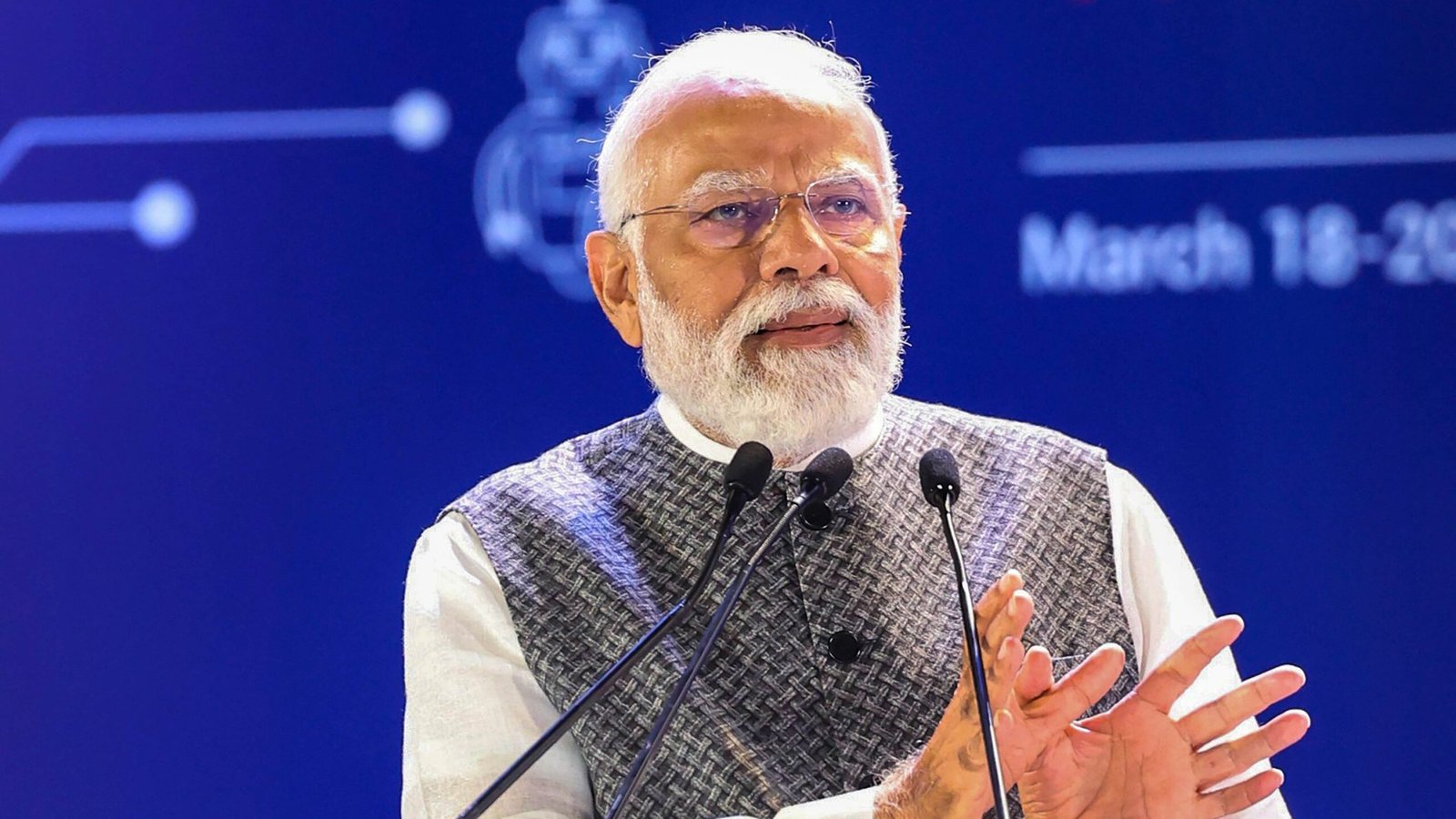
NEW DELHI — On the eve of a historic vote, Prime Minister Narendra Modi issued a powerful appeal to all Lok Sabha members to support the proposed amendments to the Women’s Reservation Act. Highlighting the moral and social weight of the legislation, the Prime Minister urged lawmakers to prioritize gender justice over political lines.
The amendments, scheduled for voting on Friday, April 17, 2026, aim to further refine the implementation of the landmark Act which reserves seats for women in legislative bodies.
A Call to Conscience
In a deeply personal message shared on X (formerly Twitter) and during parliamentary sessions, the Prime Minister framed the vote as a personal responsibility rather than just a legislative duty:
“Please reflect upon your conscience, remembering the women in your own families—your mother, sister, daughter, or wife. This legislation is a significant opportunity to do justice to the women of our nation.”
Strategic Context of the Amendments
While the original Women’s Reservation Act was passed to ensure 33% representation, the new amendments are expected to address:
-
Implementation Timelines: Clarifying the rollout following the latest census and delimitation exercises.
-
Quota Within Quota: Addressing long-standing debates regarding representation for marginalized communities within the reserved seats.
-
Legislative Clarity: Ensuring the Act’s transition from paper to practice is seamless across state and central levels.
The “Viksit Bharat” Connection
The Prime Minister emphasized that a “Prosperous India” is impossible without the active and empowered participation of women in the highest decision-making bodies. By appealing to the “conscience” of MPs, the government seeks to secure a bipartisan consensus, signaling a unified national commitment to women-led development.
The outcome of today’s vote is seen as a defining moment for the current parliamentary session and a cornerstone of the government’s social reform agenda heading into the next fiscal year.
