



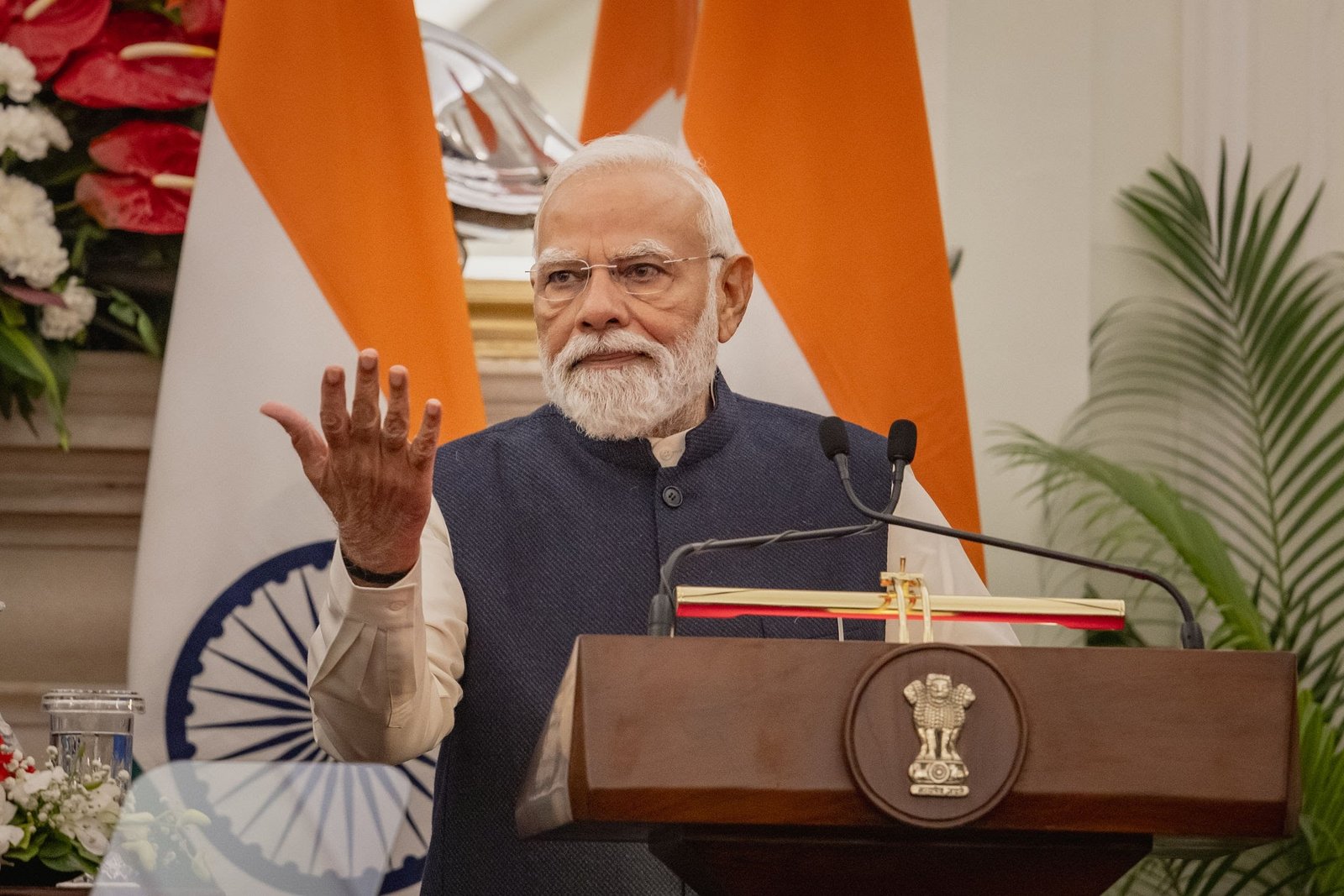
NEW DELHI — Prime Minister Narendra Modi held a high-level telephonic conversation with Iran President Masoud Pezeshkian today, March 21, 2026. Amidst a festive backdrop of Eid and Nowruz greetings, the Prime Minister raised critical concerns regarding the safety of maritime trade and the stability of global supply chains under the shadow of the ongoing three-week-old Iran-Israel-US conflict.
Strategic Concerns & Diplomacy
The conversation, the second between the two leaders since the conflict erupted on February 28, centered on the deteriorating security situation in the Strait of Hormuz:
-
Freedom of Navigation: Prime Minister Modi reiterated the urgent need to keep international shipping lanes “open and secure,” specifically addressing the de facto blockade of the Strait.
-
Condemnation of Attacks: The Prime Minister condemned recent strikes on critical infrastructure in the region, noting that such actions pose a direct threat to global energy security.
-
Dialogue over Conflict: He emphasized India’s consistent stand that regional disputes must be resolved through diplomacy and dialogue rather than military escalation.
Protecting Indian Interests
With the conflict impacting maritime logistics, the Indian government is focused on the safety of its personnel and assets:
-
Stranded Seafarers: Currently, 22 Indian-flagged vessels with 611 seafarers remain stuck in the western Persian Gulf.
-
Repatriation Efforts: Over 530 Indian sailors have been successfully repatriated since the hostilities began.
-
Energy Security: Following recent diplomatic outreach, two Indian LPG carriers—the Pine Gas and Jag Vasant—recently achieved safe passage through the Strait, helping stabilize domestic fuel supplies.
Regional Impact
The ongoing war has seen Brent crude prices surge past $115 per barrel and has caused significant disruptions to LNG exports from Qatar. Prime Minister Modi expressed his appreciation for Iran’s continued support in ensuring the safety of the nearly 1,000 Indian nationals still residing within Iran.
