



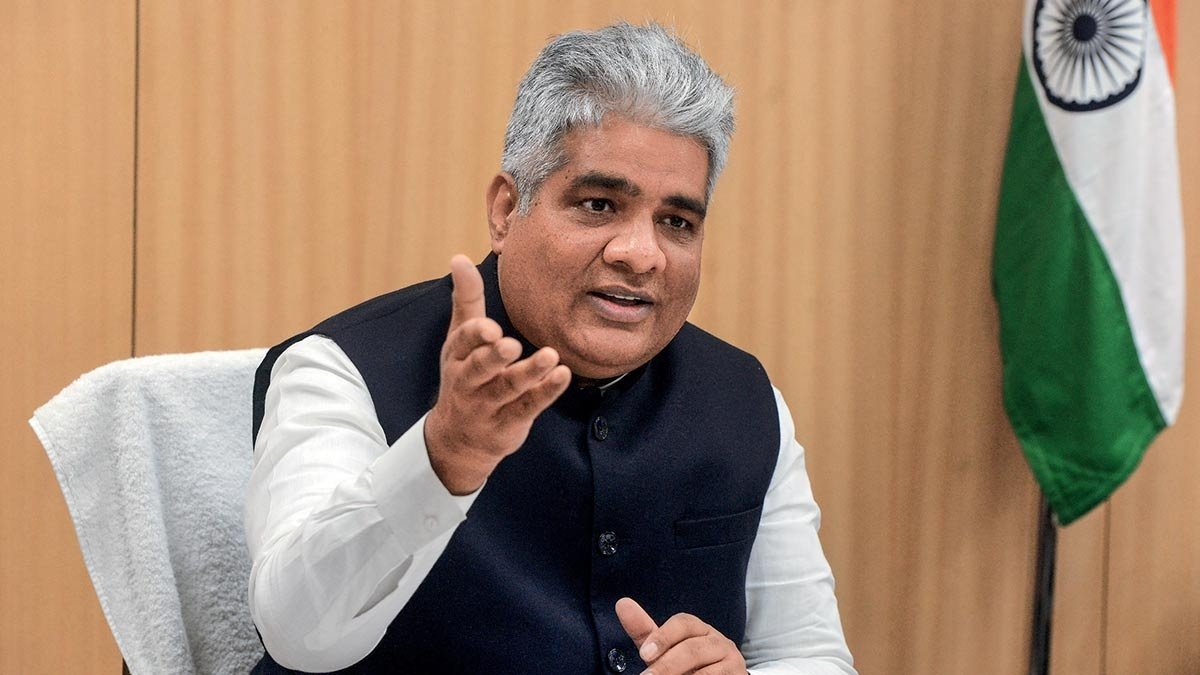
NEW DELHI: In a major joint environmental push on World Environment Day 2026, Union Minister for Environment, Forest and Climate Change Bhupender Yadav, alongside Delhi Chief Minister Rekha Gupta, inaugurated eighteen ‘Namo Oxygen Parks’ across the National Capital Territory. The centralized launch event, hosted at the Namo Oxygen Park in Maidangarhi, marked the rollout of a massive urban greening expansion under the nationwide ‘Ek Ped Maa Ke Naam’ ecological campaign.
The high-profile event was attended by Union Minister of State (EFCC) Shri Kirti Vardhan Singh, Delhi Environment, Forest and Wildlife Minister Sardar Manjinder Singh Sirsa, and senior bureaucrats from both the central and regional environmental ministries.
Urban Lung Infrastructure & Anti-Pollution Mandates
The development of the 18 Namo Oxygen Parks is designed to establish vital urban green lungs across Delhi to systematically improve ambient air quality, bolster local biodiversity, and provide eco-recreational zones for the public.
Addressing the core challenge of industrial, dust, and vehicular emissions in the capital, Union Minister Bhupender Yadav highlighted targeted steps being taken in coordination with the Commission for Air Quality Management (CAQM):
-
Industrial Oversight: Accelerated deployment of Online Continuous Emission Monitoring Systems (OCEMS) and specialized Air Pollution Control Devices (APCDs) across manufacturing clusters.
-
Mitigation of Dust: Institutionalizing mechanized deep cleaning protocols for the city’s road networks.
-
E-Mobility Transition: Pushing the rapid adoption and infrastructural expansion of electric mobility.
-
State Tree Plantation Target: To complement these structural measures, Chief Minister Rekha Gupta announced that the Delhi Government has committed to an administrative target of planting 15 lakh trees across the city over the course of the current year.
Release of Scientific Environmental Governance Frameworks
To transition the capital toward a data-driven, scientific model of urban conservation, the dignitaries officially released three landmark statutory planning and ecological documents compiled by the Government of NCT Delhi:
-
Working Plan Document for NCT Delhi (2026–27 to 2036–37): A comprehensive 10-year statutory framework detailing macro strategies, environmental governance targets, and sustainable urban development models.
-
Management Plan for Asola Bhatti Wildlife Sanctuary (2024–25 to 2034–35): A long-term scientific blueprint mapping out ecological restoration, border protection, and habitat management protocols for the capital’s most vital wildlife reserve.
-
Delhi Bird Atlas: A historic mapping of regional avifauna, driven by a massive citizen-science initiative involving volunteers, birdwatchers, and naturalists. Civil society organizations behind the data collection were presented with official certificates of recognition during the summit.
India’s Macro Ecological Trajectory
Speaking on India’s broader position amidst global climate crises—specifically climate change, biodiversity loss, and land desertification—Minister Yadav emphasized that under Prime Minister Narendra Modi, the country has achieved high-yield milestones ahead of schedule. He cited the rapid deployment of the PM Surya Ghar Yojana, the establishment of the International Solar Alliance and International Big Cat Alliance (IBCA), and the early fulfillment of Nationally Determined Contribution (NDC) targets under the UNFCCC framework.
The joint leadership concluded by touring a specialized exhibition curated under the ‘Dust-free Delhi’ campaign, which displayed indigenous varieties of local grasses and shrubs engineered to naturally bind topsoil and suppress dust suspension.
