



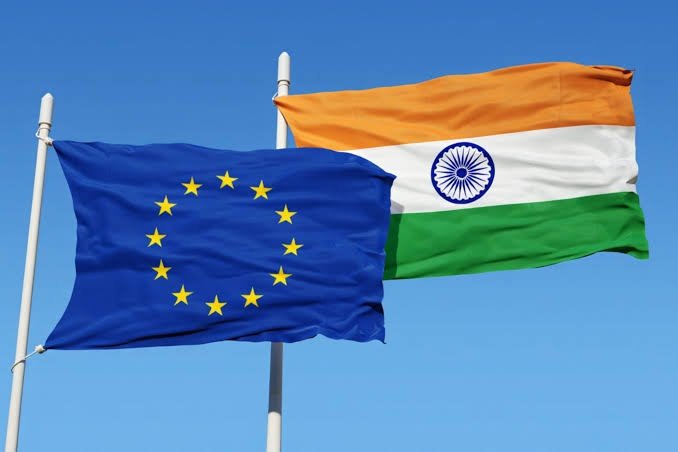
NEW DELHI — In a major breakthrough for India’s agricultural and marine export sectors, the European Union has officially cleared the country to continue exporting aquaculture products, eggs, honey, and animal casings to the EU market past a critical September 2026 regulatory deadline.
The European Commission finalized the decision by notifying an amendment to its framework under Commission Implementing Regulation (EU) 2026/1189, which modifies the older Regulation (EU) 2021/405. The freshly updated rules introduce stringent oversight mandates for importing third countries, heavily driven by the EU’s growing global public health concerns surrounding Antimicrobial Resistance (AMR).
Keeping a $1.59 Billion Fisheries Trade Flowing
The timing of the decision is highly consequential. The revised EU framework is slated to take full effect on September 3, 2026, placing strict conditions on animal-origin imports to block growth-promotion antimicrobials and drugs reserved strictly for human medicine.
Had India not secured its place on this updated list of authorized nations, trade lines would have faced abrupt disruption. The decision provides essential stability for India’s booming seafood sector; fish and fishery exports to the EU are currently valued at approximately USD 1.59 billion.
Key Regulatory Anchors
New Rule: Commission Implementing Regulation (EU) 2026/1189 (Published June 5, 2026).
Amends: Implementing Regulation (EU) 2021/405.
Enforcement Date: September 3, 2026.
Protected Portfolios: Aquaculture, Honey, Eggs, and Animal Casings.
Strict Oversight Seals the Deal
Indian trade officials confirmed the breakthrough followed months of technical diplomacy spearheaded by the Department of Commerce under the Ministry of Commerce & Industry.
To satisfy the European Commission’s audit benchmarks, the Export Inspection Council (EIC) aggressively overhauled India’s local Official Control System. This involved:
-
Enhancing chemical residue testing matrixes across processing hubs.
-
Tightening up institutional pre-shipment certification protocols.
-
Enforcing stricter inspection frameworks at production facilities.
Moving forward, the Department of Commerce, alongside the EIC and the Marine Products Export Development Authority (MPEDA), will deploy field teams to work directly with EU-approved establishments. The immediate focus shifts to helping local processors fully absorb the new AMR testing workflows well ahead of the September transition line, ensuring that Indian shipments encounter zero friction or customs rejection at European ports.
