



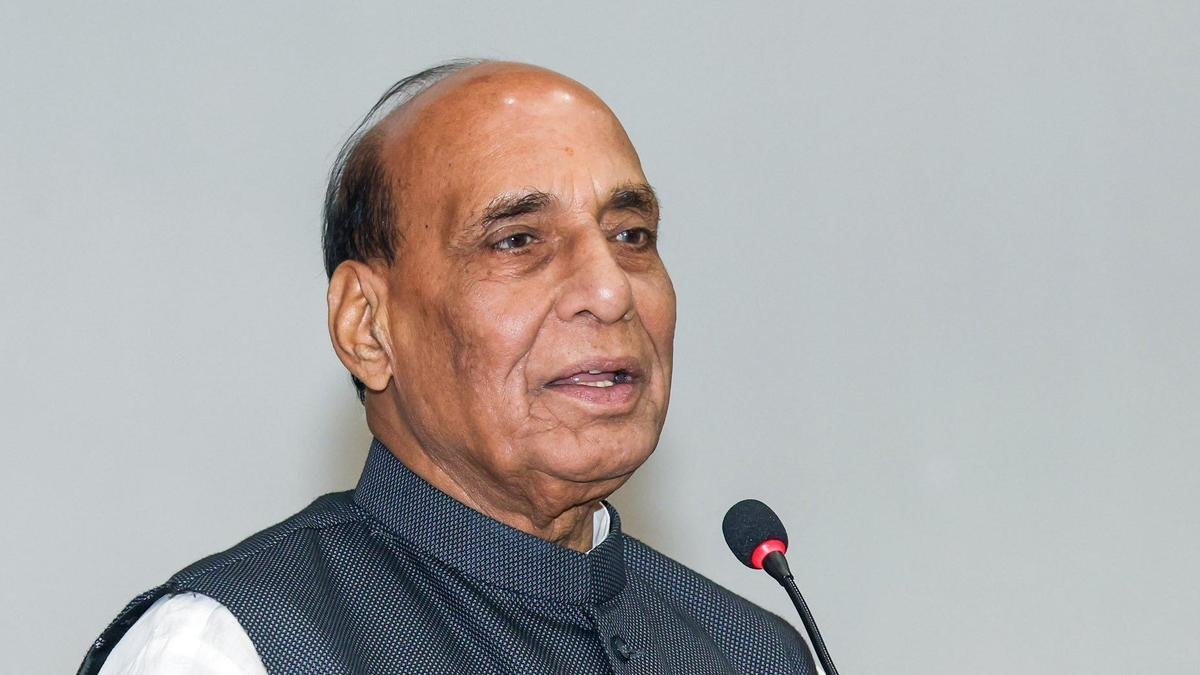
NEW DELHI — Union Defence Minister Rajnath Singh has designated preventive healthcare as a cornerstone of India’s long-term national security and economic strategy, urging a shift toward early disease detection to reduce growing medical expenses.
Delivering an address at the inauguration of a Mahajan Imaging and Labs facility, Singh highlighted the rising burden of non-communicable diseases (NCDs) including diabetes, hypertension, cardiovascular conditions, and cancer. He emphasized that establishing robust diagnostic systems, digital pathology, and AI-driven early screening is crucial to prevent severe strain on national hospital infrastructure as India’s demographic profile matures toward 2050.
Key Operational & Strategic Points
-
Economic Impact: Identifies early diagnostic screenings and routine check-ups as key measures to control long-term financial costs for individuals, insurance providers, and public healthcare budgets.
-
Demographic Planning: Stresses the need to build early-detection diagnostic capacity to accommodate the healthcare demands of an aging population projected by 2050.
-
Tech Integration & Safeguards: Advocates for leveraging artificial intelligence, genomics, and advanced medical imaging in diagnostics, while emphasizing patient data privacy and algorithmic transparency.
-
Ayushman Bharat Expansion: Reaffirms the impact of the national health scheme, citing over 35 crore citizens who have accessed modern medical treatment to date.
-
State Medical Capacity: Notes the healthcare expansion in Uttar Pradesh, where the number of medical colleges increased from 12 before 2017 to over 45, alongside a threefold rise in medical training seats.
