



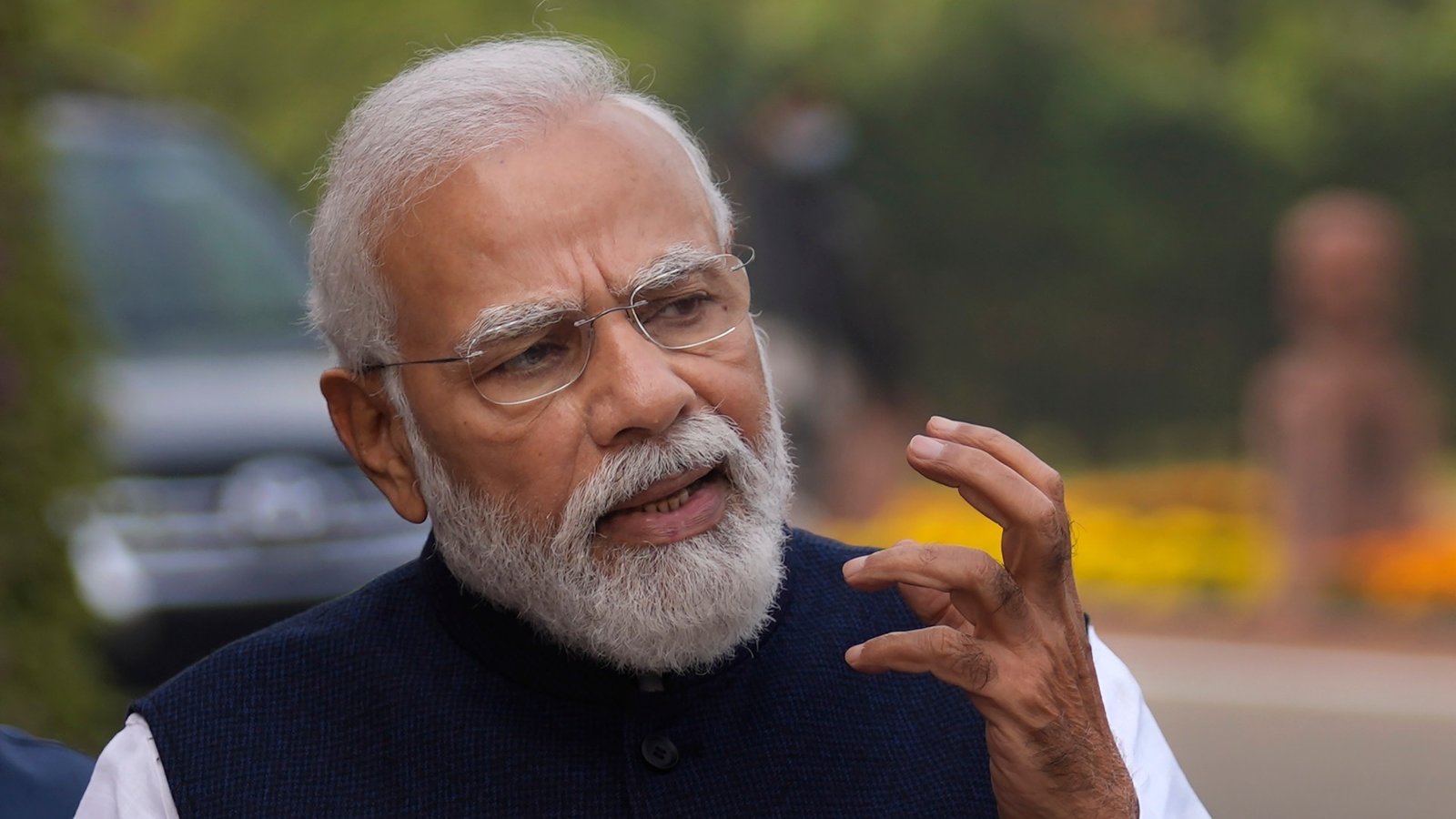
NEW DELHI: Confronting a rapidly shifting global geopolitical landscape, Prime Minister Narendra Modi chaired a pivotal, four-hour meeting of the full Council of Ministers. The high-level deliberations focused heavily on buffering the domestic economy against the fuel supply shocks triggered by the US-Israel-Iran war and the subsequent blockade of the critical Strait of Hormuz logistics route.
The strategy session—the first full council assembly in nearly 11 months—comes as the current administration prepares to mark its 12th year in office on June 9.
Key Takeaways
-
Alternative Energy Infrastructure: To offset severe supply line pressures in the Gulf, PM Modi instructed ministers to accelerate the transition to non-conventional energy frameworks. The Prime Minister specifically called for an aggressive roll-out of biogas technology to serve as a direct domestic substitute for LPG cooking gas.
-
Managing Forex & Retail Fuel Pressure: With Indian Oil Marketing Companies (OMCs) forced to implement a ₹3 per litre price hike on petrol and diesel to cover escalating import losses, the PM issued a national appeal. He urged citizens to shift toward public transport and Electric Vehicles (EVs) while curbing non-essential expenditures on gold and foreign travel to preserve India’s foreign exchange reserves.
-
Strategic Energy Backstops: Highlighting recent diplomatic interventions, the council reviewed the newly inked bilateral pact with the United Arab Emirates (UAE). Under the agreement, the Abu Dhabi National Oil Company (ADNOC) will significantly enhance India’s strategic underground petroleum reserves alongside establishing guaranteed long-term LPG supply lines.
-
The Viksit Bharat 2047 Mandate: Emphasizing that the Viksit Bharat 2047 development vision is an absolute institutional commitment rather than a policy promise, the PM evaluated progress reports across nine key sectors—including Power, Road Transport, External Affairs, and Commerce. Government officials were directed to eradicate administrative pendency, optimize governance efficiency, and take the administration’s long-term reform achievements directly to the public amidst growing anticipation of an impending cabinet reshuffle.
