



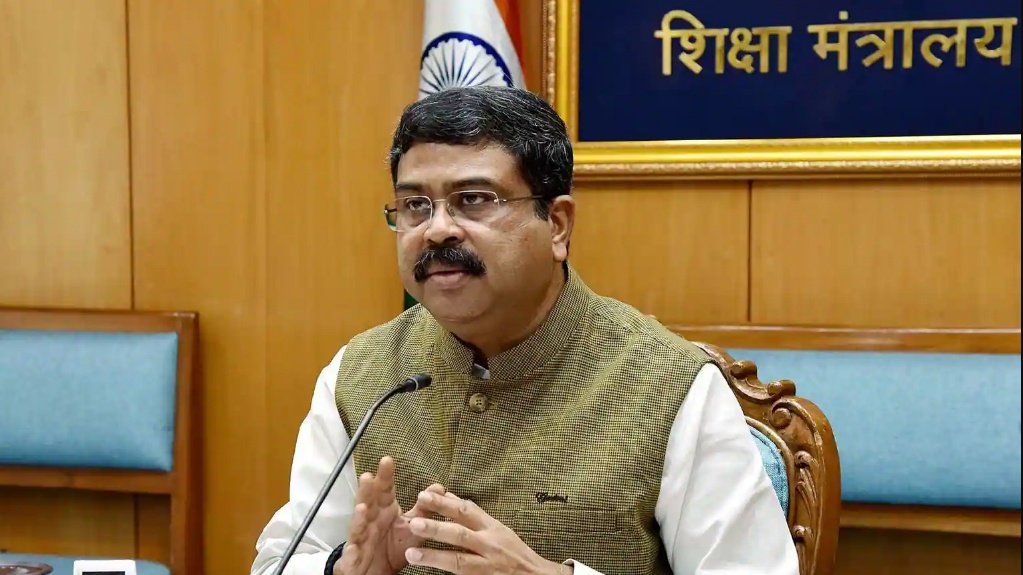
NEW DELHI: In a major push for administrative readiness, Union Education Minister Shri Dharmendra Pradhan has written to all Chief Ministers, Lieutenant Governors, and Union Territory Administrators across India. The communication seeks full state-level cooperation for the seamless, secure, and transparent execution of the upcoming NEET (UG) 2026 re-examination, officially scheduled for June 21, 2026.
The fresh examination cycle follows the cancellation of the original May 3 test due to paper leak irregularities. With the re-test directly coinciding with peak summer temperatures, the Ministry has placed student health, security infrastructure, and environmental comfort at the center of its operational directives.
Mandatory Heatwave Mitigation and Amenity Protocols
Recognizing that extreme heatwave conditions could severely impact candidate focus and physical well-being, the Union Minister has issued strict guidelines to district authorities and hosting institutions:
-
Climate Control & Hydration: State-run and private schools, colleges, and universities acting as examination centers must ensure an uninterrupted supply of safe, chilled drinking water, alongside functional fans, mist-coolers, or air conditioning units across all testing halls.
-
Logistical Infrastructure: Centers are directed to set up shaded, well-ventilated waiting zones for parents and candidates, clear and sanitary washroom facilities, and deploy additional portable toilets where large crowds are anticipated.
-
Power & Logistics Backups: Local administrations must guarantee an uninterrupted electricity supply via dedicated backup generators to prevent power outages during the high-stakes test window.
Securing Transportation and Ground Infrastructure
Placing candidate safety as a paramount priority, Minister Pradhan called on all state executives to mobilize localized logistics on Sunday, June 21:
-
Mass Transit Mobilization: State governments are urged to run extra public buses, maximize metro frequencies, and streamline transit connections near isolated rural or suburban testing hubs to avoid transit delays.
-
District Administration Oversight: Education departments must coordinate directly with District Magistrates (DMs) and police personnel to facilitate smooth traffic management and prevent overcrowding at center gates.
Restoring Integrity and Public Trust
The upcoming pan-India test is being monitored closely under heightened scrutiny. The Ministry of Education and the National Testing Agency (NTA) have significantly reworked their operational frameworks to eliminate previous structural vulnerabilities:
-
Ensuring Transparency: The re-test will be held in an offline, pen-and-paper format across 13 distinct regional languages, with an updated duration of 3 hours and 15 minutes (from 2:00 PM to 5:15 PM IST) to allow for foolproof identity verification.
-
Joint Security Vigilance: State police forces and central cyber divisions are actively monitoring anonymous messaging networks, particularly targeting malicious online groups circulating fake paper-leak claims or deceptive materials to cause panic.
Expressing absolute confidence in the combined state-centre machinery, Shri Pradhan reiterated that the government remains fully committed to safeguarding the interests of over 22 lakh medical aspirants, promising a secure, completely fair, and leak-proof testing environment.
