



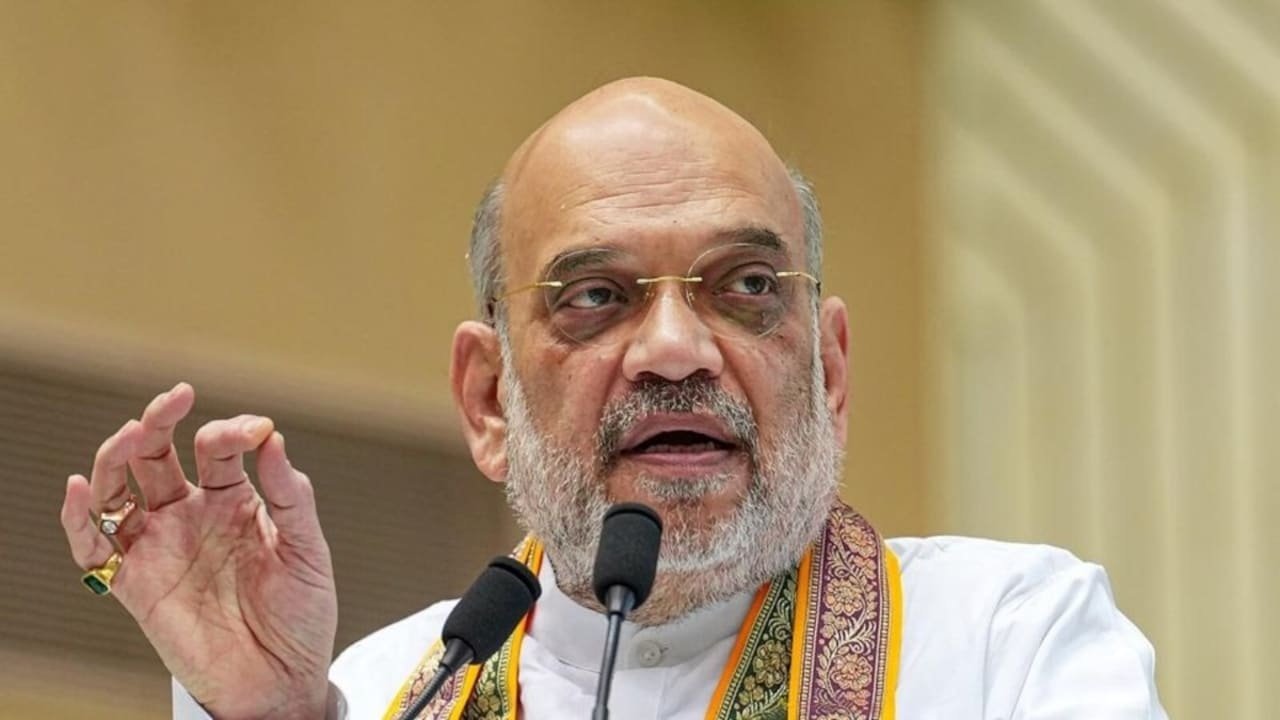
NEW DELHI – Union Home Minister Shri Amit Shah intervened during the Lok Sabha discussion on the Delimitation Bill, 2026, the Constitution (131st Amendment) Bill, 2026, and the Union Territories Laws (Amendment) Bill, 2026. His address aimed to clear misconceptions regarding the representation of southern states and provide clarity on the upcoming census.
The Minister assured the House that the proposed changes would not lead to any injustice toward South Indian states, asserting that their representational strength will actually increase.
Key Highlights: The 50% Increase Model
The Home Minister clarified that under the proposed model, the total number of Lok Sabha seats will rise from 543 to 816. While the 850 figure is often cited as a rounded upper limit, the actual target is 816 seats.
Projected Seat Changes for Southern States:
| State | Current Seats (of 543) | Current Share | Proposed Seats (of 816) | Proposed Share |
| Tamil Nadu | 39 | 7.18% | 59 | 7.23% |
| Karnataka | 28 | 5.15% | 42 | 5.14% |
| Andhra Pradesh | 25 | 4.60% | 38 | 4.65% |
| Telangana | 17 | 3.13% | 26 | 3.18% |
| Keralam | 20 | 3.68% | 30 | 3.67% |
| Total (South) | 129 | 23.76% | 195 | 23.87% |
The Minister noted that the overall share of South India in the Lok Sabha will remain stable at approximately 24%, debunking claims that the region would lose political influence.
Timeline and Implementation
Shri Amit Shah emphasized that the Delimitation process is a long-term roadmap and will not affect any immediate or upcoming elections.
-
No Change Before 2029: All elections until 2029 will be conducted using the current seat configuration.
-
Legal Continuity: The government has repeated the existing Delimitation Commission Act exactly, ensuring no manipulative changes were made to the legal framework.
-
Approval Process: The commission’s report will only take effect after Parliamentary approval and Presidential assent.
Update on Caste Census
Addressing queries regarding the census, the Home Minister confirmed that the Union Cabinet has decided to include caste-related data in the upcoming enumeration.
-
Two-Phase Process: The census is currently in its first phase (enumeration of houses). Since “houses do not have a caste,” that option is not yet on the form.
-
Individual Enumeration: The caste census data will be collected during the second phase, which involves the enumeration of individuals.
Democratic Integrity
The Home Minister concluded by stating that democracy in India is driven by the will of its 1.3 billion citizens, not by political manipulation. He cited historical precedents, including the Emergency, to argue that the Indian public has always successfully protected the mandate and the democratic fabric of the nation.
