



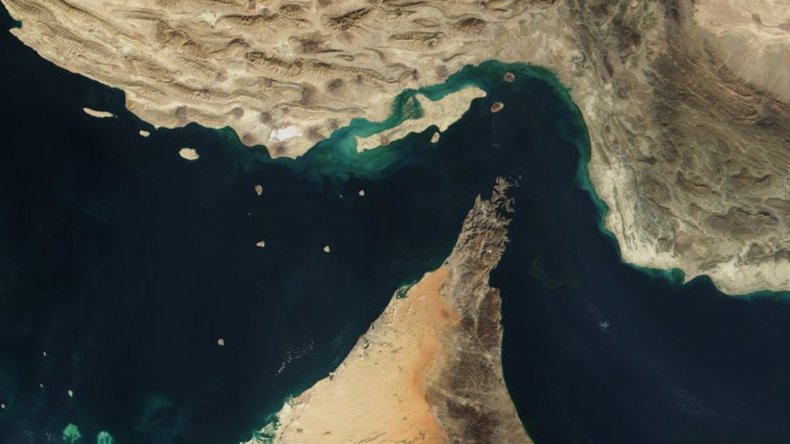
NEW DELHI — As the U.S.-Israel-Iran conflict continues to paralyze the Strait of Hormuz, global shipping is undergoing a massive, real-time reconfiguration. While some vessels are attempting a longer, “Iran-approved” route near Larak Island, the disruption has left roughly 22 Indian-flagged ships stranded in the Persian Gulf with critical energy cargo.
India’s Multi-Pronged Strategy
The Indian government has activated a series of emergency protocols to safeguard its energy security and economic stability:
-
Naval Escorts (Operation Sankalp): The Indian Navy has deployed over half a dozen warships to the Gulf of Oman and the Arabian Sea. These vessels are providing safe passage for Indian tankers once they exit the Strait, though they are currently avoiding entry into the sensitive waterway itself.
-
Direct Diplomacy: Avoiding the U.S.-led military coalition, India is negotiating directly with Tehran. This “strategic autonomy” has already yielded results, with the safe passage of several state-owned LPG tankers, including the SCI Shivalik and Nanda Devi.
-
Data Classification: On March 18, the Centre classified all key energy data as a national security matter, mandating real-time reporting from refiners and importers to monitor stock levels and prioritize critical sectors like fertilizers and household LPG.
Energy Security: The 2026 Buffer
India is navigating the crisis with a tiered “safety net” based on current reserves and sourcing:
| Energy Type | Dependency on Hormuz | Current Buffer / Strategy |
| Crude Oil | ~50% (Pre-conflict) | 50-74 Days: Combined buffer of SPRs (Strategic Petroleum Reserves) and commercial stocks. Sourcing has pivoted heavily to Russia, West Africa, and the US. |
| LPG | ~80-90% | Vulnerable: India lacks large strategic LPG reserves. Prices have already surged by ₹60 per cylinder as the government invokes the Essential Commodities Act to prioritize household supply. |
| LNG | ~30-60% | 2-3 Weeks: Limited storage capacity makes LNG highly sensitive. Shortages are impacting fertilizer plants and city gas networks, with spot prices hitting 3-year highs. |
Economic Implications
Market analysts warn that with Brent crude trading near $100.93 per barrel (as of March 18), India’s current account deficit could widen significantly. The government has introduced the RELIEF (Resilience & Logistics Intervention for Export Facilitation) scheme to support MSME exporters facing 50% hikes in freight and insurance premiums.
