



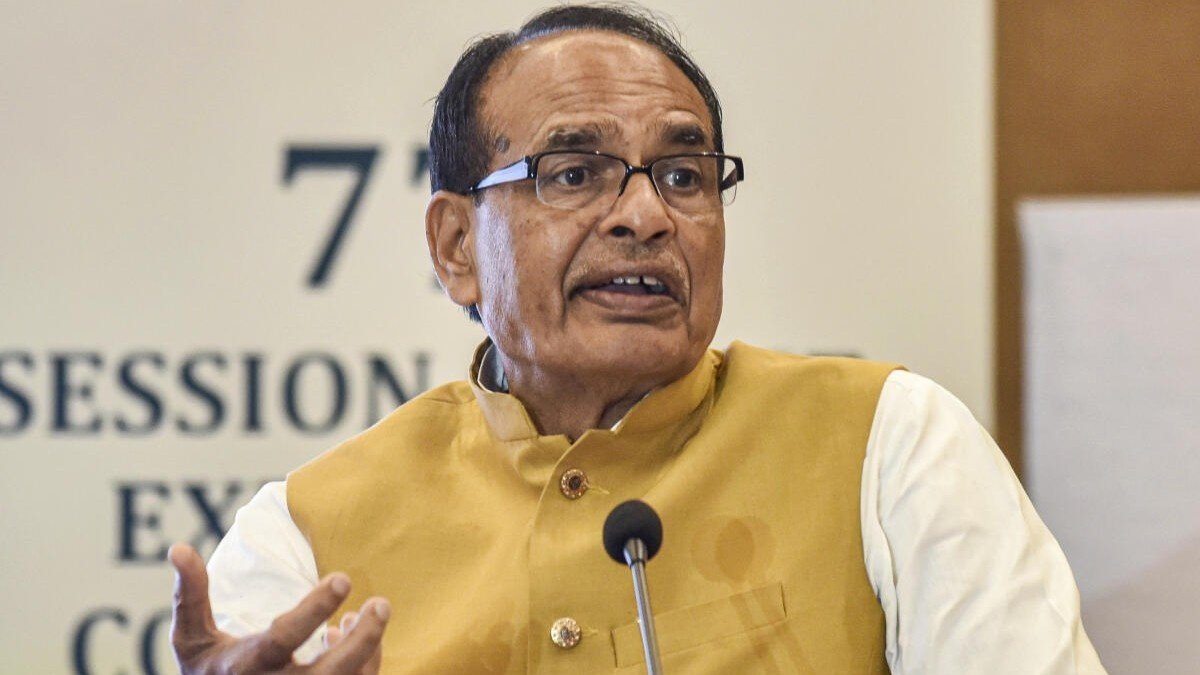
KOLKATA — Signaling a strong push for Centre-state collaboration on rural economics, Union Minister for Agriculture & Farmers’ Welfare and Rural Development Shri Shivraj Singh Chouhan has arrived in Kolkata for a high-profile two-day official visit spanning July 13–14, 2026.
The visit centers on extensive policy alignment with West Bengal Chief Minister Shri Suvendu Adhikari to streamline the implementation of flagship agricultural programs, upgrade rural infrastructure, and directly address the economic concerns of the state’s vital jute farming community.
High-Level Governance and Policy Review
The bilateral engagement begins on the evening of July 13 with an institutional dinner meeting at the Chief Minister’s residence, mapping out core areas of fiscal and operational cooperation.
This will be followed on July 14 by a comprehensive, high-level review at the New Secretariat Building in Kolkata. Joined by Chief Minister Suvendu Adhikari, the Chief Secretary, and senior bureaucrats from both the Government of India and the state administration, the central delegation will audit the deployment metrics of critical national schemes:
-
Income Support & Insurance: Reviewing saturation levels for PM-KISAN and the Pradhan Mantri Fasal Bima Yojana (PMFBY) to protect smallholders from climate-induced crop failures.
-
Infrastructure & Housing: Accessing the progress of the Viksit Bharat–G RAM G Yojana, rural road networks, and housing initiatives aimed at upgrading village-level living standards.
-
Agrarian Modernization: Evaluating the performance of the Pradhan Mantri Dhan-Dhaanya Krishi Yojana alongside the efficiency of ongoing Minimum Support Price (MSP) procurement operations and direct fund allocations to Panchayati Raj Institutions.
Revitalizing the Jute Value Chain at Barrackpore
On the afternoon of July 14, the Union Minister will shift focus from macro-policy to direct grassroots engagement, visiting the ICAR–Central Research Institute for Jute and Allied Fibres (CRIJAF) in Barrackpore.
The field visit is specifically structured to revitalize West Bengal’s traditional jute sector by bridging the gap between scientific innovation and field application:
1. Resolving Cultivation Bottlenecks
Minister Chouhan will interact directly with local jute farmers to address ground-level challenges, including modern retting processes, seasonal water availability, pest resilient crop management, input cost optimization, and volatile market pricing.
2. Demonstrating Agricultural Technology
Scientists at ICAR-CRIJAF will showcase newly developed, high-yield jute varieties and demonstrate water-efficient retting techniques alongside simplified processing and mechanized marketing tools to enhance the farmers’ overall share in the commercial value chain.
3. Nurturing Rural Entrepreneurship
A dedicated segment will focus on introducing women from local Self-Help Groups (SHGs)—popularly recognized as Lakhpati Didis—to commercial opportunities in manufacturing jute-based diversified products. This initiative aims to drive rural entrepreneurship, boost secondary household income streams, and build sustainable localized supply chains.
The Policy Directive: This extensive two-day itinerary underscores the Union Government’s strategic commitment to putting structural rural transformation at the center of its state-level developmental agenda. By combining high-level administrative coordination with targeted technical support for the jute belt, the Centre aims to accelerate agrarian growth and expand socio-economic security throughout rural West Bengal.
