



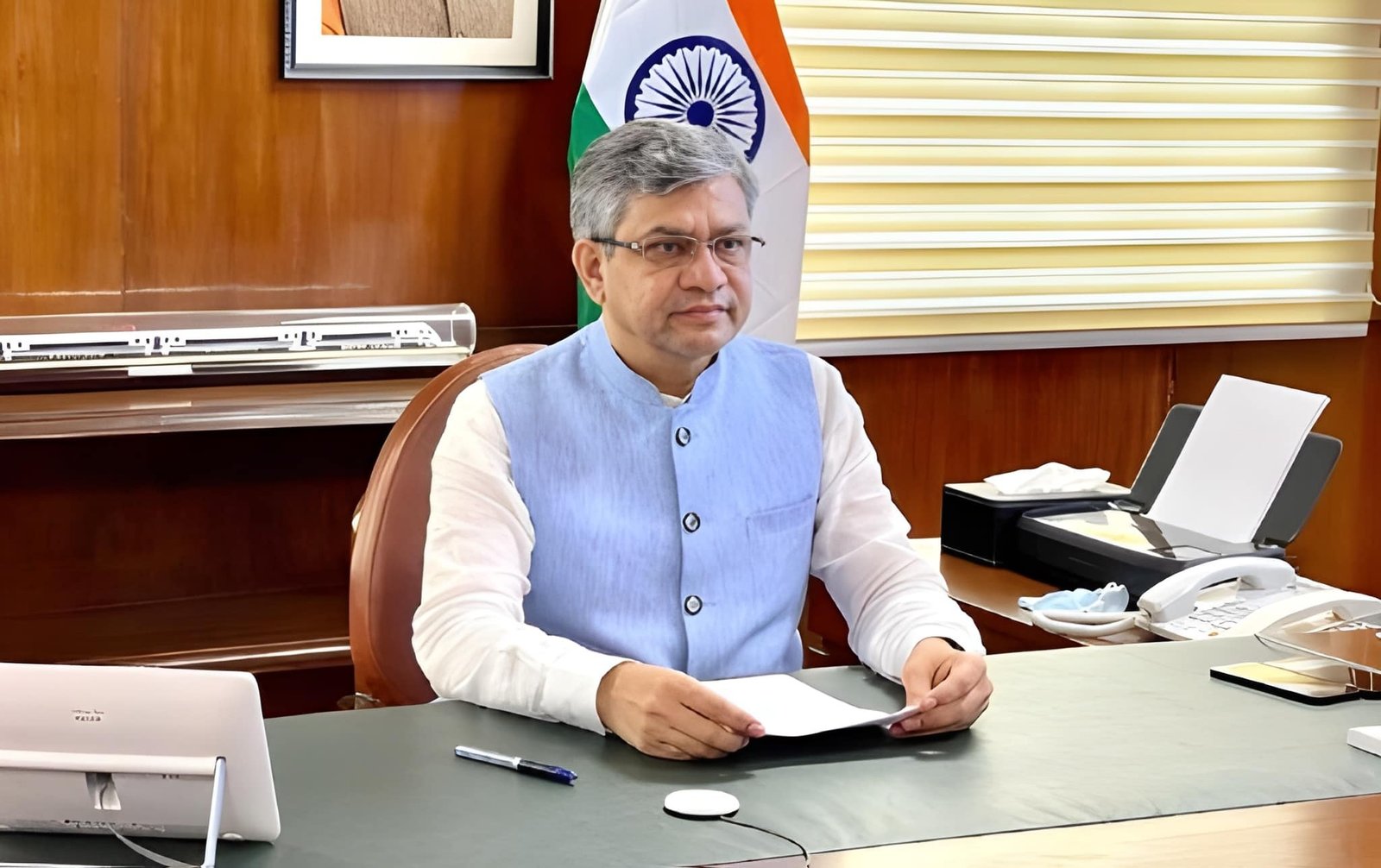
NEW DELHI — In a major initiative aimed at modernizing ground-level rail operations, Union Minister for Railways Shri Ashwini Vaishnaw chaired a high-level review meeting to establish a comprehensive empowerment framework for Station Masters across the Indian Railways network.
Recognizing Station Masters as the critical operational link coordinating safety, departmental workflows, and passenger amenities, the ministry’s new directive focuses on expanding their administrative, financial, and decision-making powers.
Core Structural and Financial Reforms
The review addressed daily administrative bottlenecks by proposing direct field-level empowerment:
-
Enhanced Financial Powers: Proposals were reviewed to scale up the direct financial spending caps of Station Masters. This shift allows them to bypass traditional bureaucratic channels to authorize immediate station maintenance, fix local infrastructure issues, and respond swiftly to passenger emergencies.
-
Cadre Expansion in High-Density Corridors: To manage complex traffic workloads safely, the ministry authorized the deployment of additional Station Masters across multi-track and high-density routes. Furthermore, the Railway Minister issued a strict mandate to treat all existing vacancies in the Station Master cadre as top priority for rapid recruitment.
-
Avenues for Fast-Track Promotion: The framework outlines structural overhauls in career progression, creating clear pathways for frontline Station Masters to rise into senior management and executive leadership roles within Indian Railways.
Technological Upgrades and Smart Management Systems
The ministry is moving to phase out traditional, manual logging by introducing digital integration:
-
Paperless Mobile Applications: Frontline operations will transition to mobile app-based, paperless working systems to reduce administrative overhead and streamline tracking.
-
Integrated Station Management System: Indian Railways will deploy a unified digital platform connecting all distinct operational wings—such as signaling, engineering, and commercial departments—to drastically cut down the time required to resolve passenger complaints.
-
Immersive Training Technologies: Future capacity-building modules will move away from static classrooms, integrating Virtual Reality (VR) environments and advanced simulators to train personnel for high-stress traffic scenarios and emergency protocols.
Inclusive Safety Mandates
With an increasing number of women entering field operations, safety protocols are receiving targeted updates. The review specifically mandated the development of modern, user-friendly safety equipment and specialized tools designed for the growing cadre of women Station Masters and women Pointsmen, ensuring that front-line operational spaces are fully accessible, ergonomically sound, and safe.
