



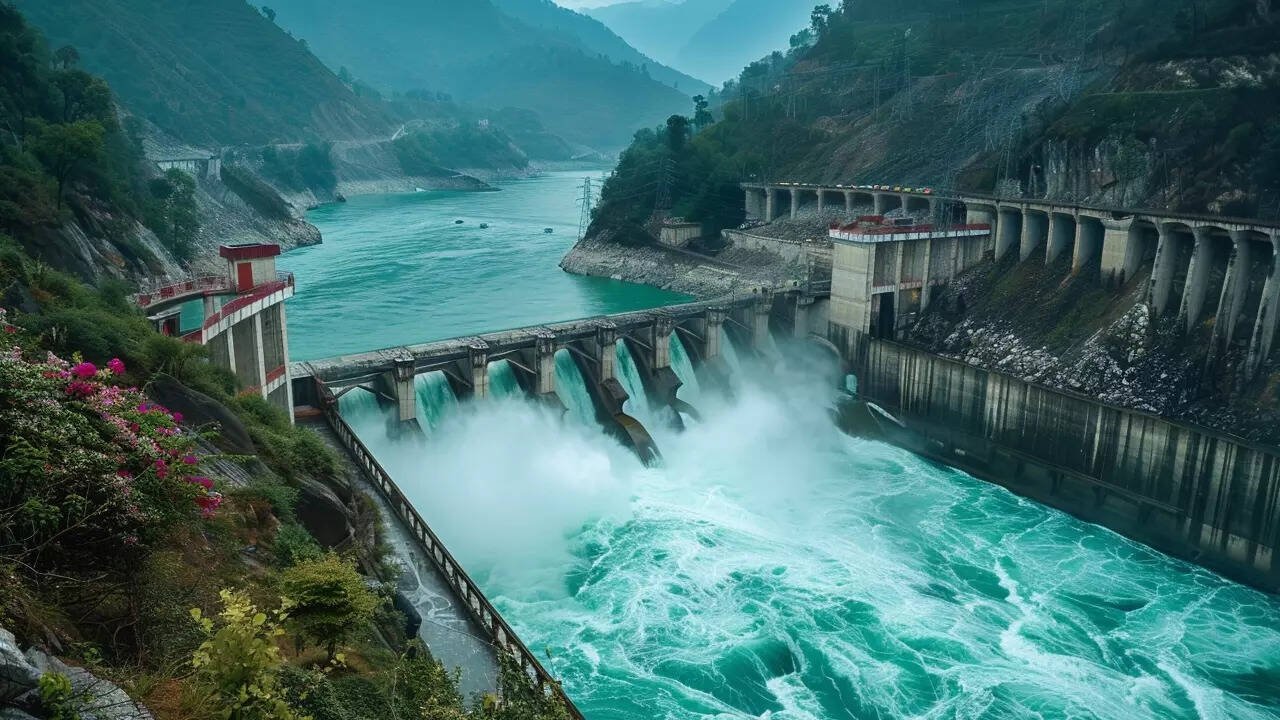
NEW DELHI — The Union Ministry of Power has put its grid management systems on high alert, tasking the Grid Controller of India (Grid-India) with the rigorous tracking of national hydroelectric generation capacities. The intervention comes on the heels of meteorological warnings pointing toward an underperforming monsoon, raising the dual challenge of suppressed reservoir levels and elevated agricultural power demand.
Although current operations at the country’s major dam-linked power stations remain steady, the government is preemptively auditing its energy resource mix to maintain uninterrupted supply.
The Deficit Challenge: Surging Demand vs. Dropping Water Tables
The India Meteorological Department (IMD) has forecast southwest monsoon rains to hit just 90% of the Long Period Average (LPA) between June and September. This projected shortfall mirrors the climate challenges of 2023, where dry late-summer spells caused a massive spike in tube-well irrigation and rural power consumption, driving peak loads to 240 GW.
With grid operators forecasting a September 2026 peak demand of 250 GW, the Ministry is actively preparing for similar demand surges under humid, low-rainfall conditions.
Stabilizing the Grid via Tactical Thermal Deployment
To prevent structural shortfalls if hydro output dips, the government is shifting a greater baseline burden onto its coal-fired generation fleets. The primary contingency strategies include:
-
Strategic Fleet Rescheduling: Deferring non-essential, planned maintenance shutdowns across critical thermal power units to ensure maximum generation capacity remains online.
-
Thermal Substitution: Utilizing flexible thermal reserves as an immediate, real-time substitute for any drop in hydro-dependent peaking power.
This proactive strategy follows a record-breaking summer where unprecedented heatwaves pushed India’s absolute peak electricity demand to an all-time high of 270 GW in May 2026. Officials stress that by optimizing thermal asset availability now, the national grid will remain resilient throughout the changing monsoon cycle.
