



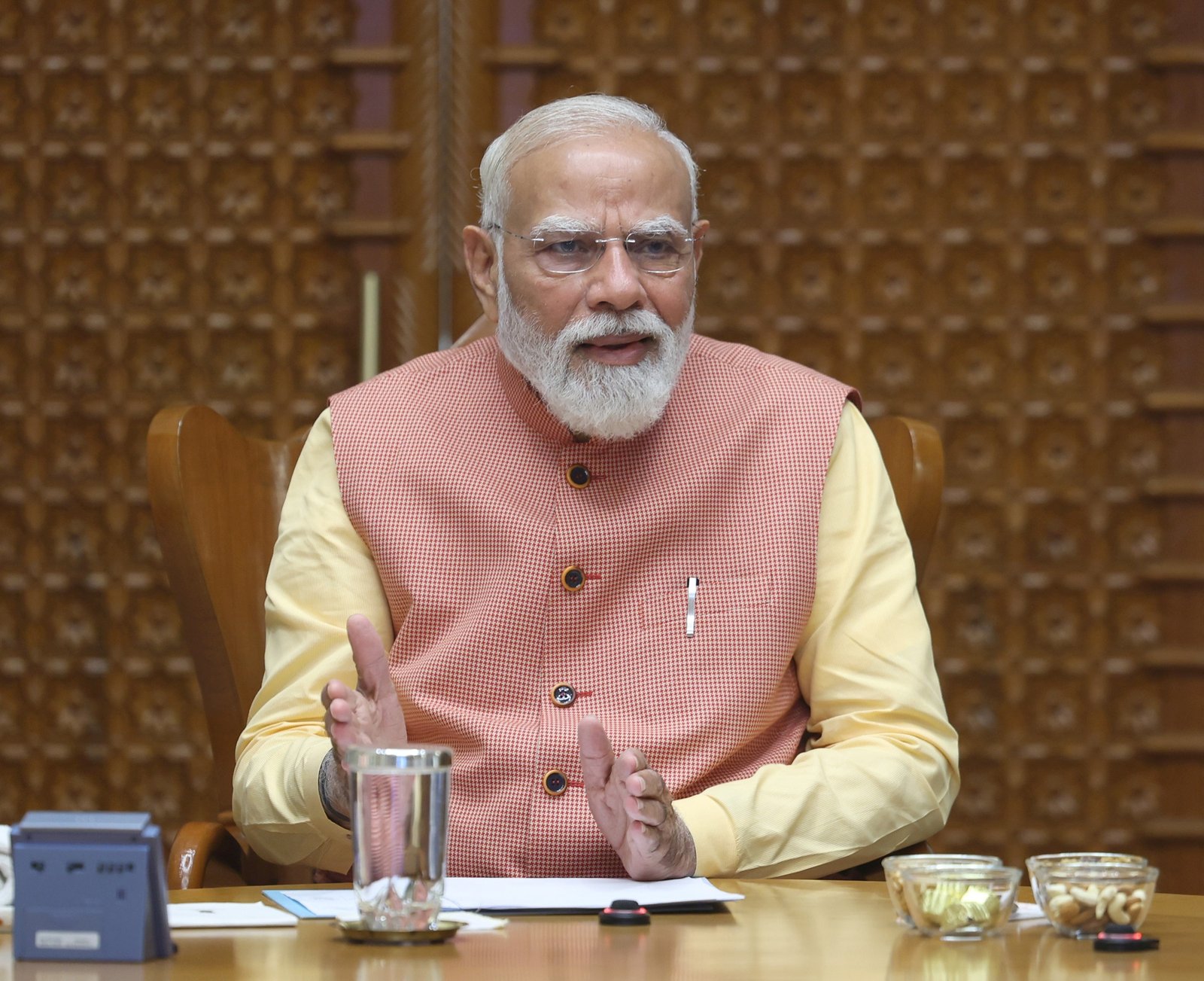
NEW DELHI – Prime Minister Narendra Modi chaired a crucial meeting of the Cabinet Committee on Security (CCS) on Wednesday to review India’s preparedness amid the escalating conflict in West Asia. This marks the second special CCS session dedicated to mitigating the global crisis’s impact on the Indian economy and essential supplies.
The Prime Minister directed all departments to take proactive measures to safeguard citizens from price volatility and ensure the “timely and smooth flow of authentic information” to prevent rumor-mongering.
Strategic Interventions & Supply Security
The Cabinet Secretary briefed the PM on multi-sectoral strategies to maintain stability:
-
Energy Diversification: India is aggressively diversifying its sources for LPG and LNG to move away from conflict-prone zones. Domestic LPG prices remain stable, supported by strict anti-hoarding enforcement.
-
Power Sector Stability: To meet peak summer demand, gas-based power plants (7-8 GW capacity) have been exempted from the gas pooling mechanism. Additionally, coal stocks are reportedly sufficient to power the nation in the coming months.
-
Fertilizer Availability: The government is coordinating with overseas suppliers for DAP and NPKS while maintaining steady domestic Urea production for the upcoming Kharif and Rabi seasons.
-
Essential Commodities: Central and State-level Control Rooms have been established to monitor the prices of food, vegetables, and fruits. The Essential Commodities Act is being strictly enforced to curb black-marketing.
Logistics and Global Coordination
The meeting addressed emerging challenges in civil aviation, shipping, and logistics:
-
Maritime Safety: Diplomatic efforts are underway to secure the safe passage of Indian vessels through the Strait of Hormuz.
-
Global Supply Chains: India is working to globally diversify its procurement of fertilizers and energy to reduce dependency on the impacted region.
-
Administrative Synergy: Real-time communication protocols have been activated across central, state, and district levels to ensure effective public awareness and crisis management.
PM’s Directive
Prime Minister Modi emphasized that the “common man’s critical needs” must remain the top priority. He assessed the availability of essential goods and instructed officials to use every available resource to ameliorate the problems of affected sectors. He specifically underlined the need for transparency to ensure the public remains informed with verified data as the global situation evolves.
