



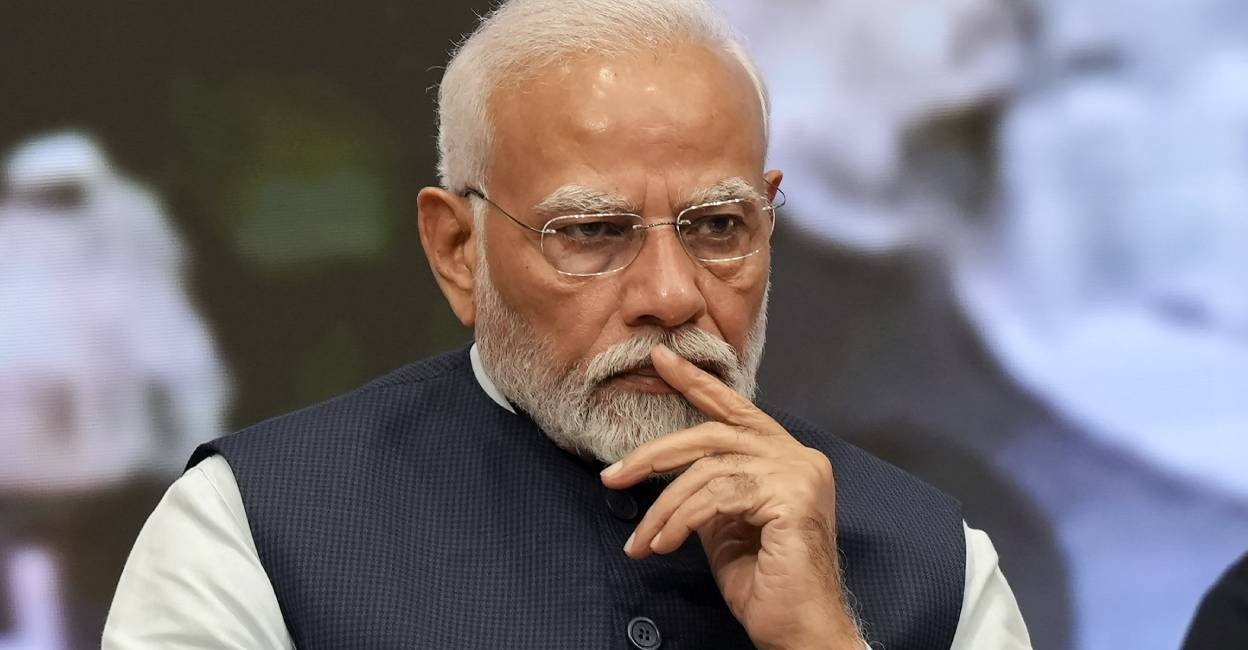
NEW DELHI — Prime Minister Narendra Modi has expressed profound grief over the demise of Raghu Rai, the iconic photographer who spent over five decades documenting the soul of India. Describing Rai as a “creative stalwart,” the Prime Minister noted that his work served as a bridge, bringing the diverse and vibrant facets of Indian life to the global stage.
Raghu Rai, a protégé of Henri Cartier-Bresson and one of the first Indian photographers to join the prestigious Magnum Photos, was known for his hauntingly beautiful and socially significant imagery—ranging from the tragedies of the Bhopal Gas Disaster to intimate portraits of Mother Teresa and the Himalayas.
The Prime Minister’s Tribute
In a heartfelt post on X (formerly Twitter), PM Modi emphasized the “sensitivity, depth, and diversity” that defined Rai’s legendary career:
“Shri Raghu Rai Ji will be remembered as a creative stalwart, who captured India’s vibrancy through his lens… His passing is an irreparable loss to the world of photography and culture. My thoughts are with his family, admirers and the photography fraternity in this hour of grief. Om Shanti.”
A Legacy in Frames
Raghu Rai’s contribution to Indian culture is considered unparalleled. He didn’t just take pictures; he chronicled the history of a maturing nation. Key highlights of his journey include:
-
The Magnum Era: Being handpicked for the world’s most elite photo collective.
-
Documentary Excellence: His extensive books on Delhi, the Sikhs, and the Taj Mahal remain definitive visual records.
-
National Honors: A recipient of the Padma Shri, his work has been exhibited in major museums worldwide, from London to Paris.
A Void in the Artistic World
The photography community and art enthusiasts across the country have joined the Prime Minister in mourning. Rai was often seen as the “Father of Indian Photojournalism,” mentor to generations of photographers who learned to see the world through his philosophy of the “extraordinary in the ordinary.”
His passing marks the end of an era in Indian visual storytelling, leaving behind an archive that remains a testament to the country’s resilience and beauty.
