



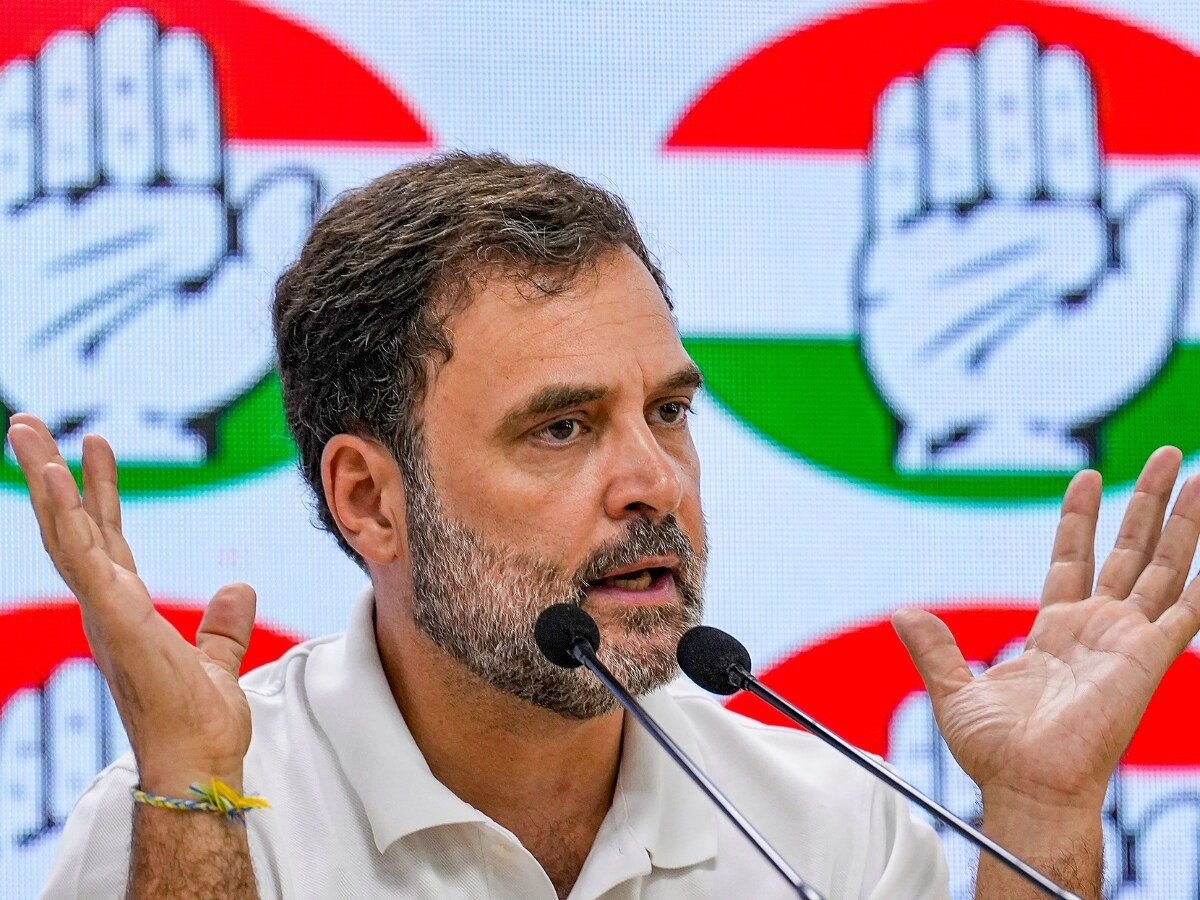
NEW DELHI: Exhibiting a newly refined approach to internal conflict management, the Congress central leadership has successfully executed a power-sharing transition in Karnataka, replacing incumbent Chief Minister Siddaramaiah with DK Shivakumar. Driven directly by Rahul Gandhi, the move indicates a strategic shift away from allowing regional factional disputes to fester, drawing sharp lessons from previous electoral collapses in Rajasthan and Chhattisgarh.
The high-profile transition underscores a major reorganization in the party’s command structure, placing long-term electoral winnability at the forefront of its planning for the 2029 Lok Sabha elections.
Breaking the Deadlock
The transition of power—which had been a source of public friction between the rival state factions since the government crossed its 2.5-year mark in November last year—was finalized through intensive central intervention.
-
The Final Persuasion: Following multi-layered discussions involving Congress President Mallikarjun Kharge, Priyanka Gandhi Vadra, and General Secretary KC Venugopal, Rahul Gandhi held a definitive 35-minute one-on-one session with Siddaramaiah to secure his resignation.
-
The National Pivot: Siddaramaiah maintained that the party’s best chance at retaining the state was with him at the helm. However, Gandhi remained firm, successfully pressing the high-profile OBC leader to look past regional governance and focus on the party’s broader national requirements for 2029.
-
The Tactical Precedent: Insiders compare this resolve to the party’s management of the Kerala chief ministerial race earlier this year. In that instance, when local voter feedback and key allies like the Indian Union Muslim League favored VD Satheesan over family confidant KC Venugopal, the high command adapted its plans swiftly to align with the ground reality.
Rectifying Past Factional Errors
The structural enforcement observed in Karnataka marks a deliberate break from the prolonged indecision that previously cost the party critical state governments:
-
The Rajasthan Standoff (2022–2023): In 2022, despite then-President Sonia Gandhi’s desire to elevate Sachin Pilot to counter building anti-incumbency, veteran leader Ashok Gehlot refused to step down. The high command’s hesitation to enforce the transition triggered a weeks-long face-off that permanently fractured the state unit, ultimately costing Congress the 2023 assembly election.
-
The Chhattisgarh Divide (2018–2023): A parallel crisis unfolded over a rumored rotational chief minister agreement between Bhupesh Baghel and TS Singh Deo. The central leadership repeatedly backed down under pressure from Baghel, allowing an internal rift to widen until the party’s assembly strength collapsed from 69 seats down to just 35.
-
The Karnataka Resolution (2026): Confronted with similar public posturing from powerful local factions, the modernized high command chose rapid, definitive action over a prolonged, damaging stalemate.
A Streamlined Decision Framework
Party insiders reveal that the Congress leadership has evolved into a more decisive unit under Rahul Gandhi. By relying on a structured ground-feedback network designed by KC Venugopal, alongside the institutional experience of Mallikarjun Kharge and close counsel from Priyanka and Sonia Gandhi, the high command has successfully shortened its response times.
With 16 state assembly elections scheduled in the run-up to the 2029 general elections, the definitive resolution in Karnataka serves as a clear notice to regional leaders: individual ambitions will remain secondary to organizational stability and national objectives.
