



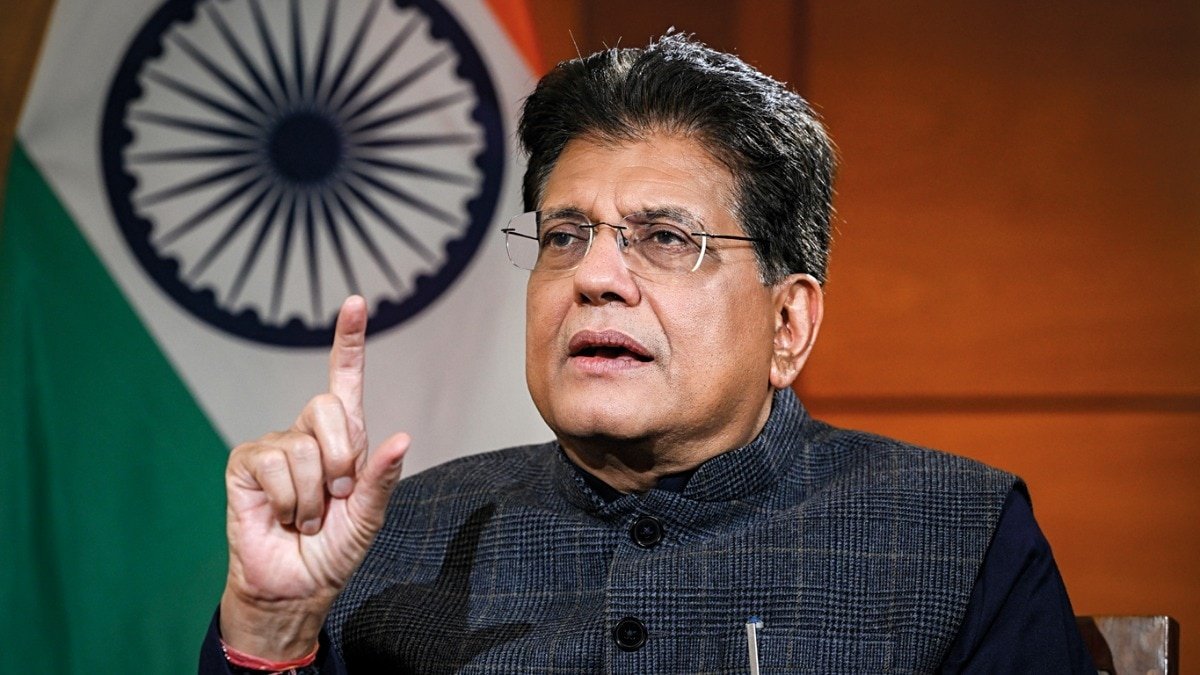
NEW DELHI: Underscoring India’s commitment to a market-determined currency regime, Union Commerce and Industry Minister Piyush Goyal clarified that the central government does not manipulate or intervene in the movement of the Indian Rupee (INR). Addressing the 19th Rozgar Mela, Goyal emphasized that the currency’s exchange rate is strictly dictated by global macroeconomic factors and free market forces.
The Minister’s remarks arrive during a highly volatile trading window, where the rupee has faced sustained pressure from intense geopolitical conflicts in West Asia and shifting global supply chain risks.
Key Takeaways
-
Market-Driven Valuation: Goyal dismissed any speculation of state-mandated currency pegging, stating that the rupee’s valuation finds its own equilibrium based on international demand and supply. “I think, of late, the rupee has appreciated,” he added, pointing to a resilient domestic economic backdrop.
-
Provisional Currency Recovery: In a sharp rebound from recent lows, the rupee surged by 63 paise on Friday to settle at 95.73 against the US Dollar. This recovery was heavily supported by cooling global crude oil prices and active liquidity management expectations from the Reserve Bank of India (RBI).
-
Robust Domestic Demand: Brushing aside slowdown concerns, Goyal highlighted that both imports and exports are rising concurrently, signaling deep structural demand across Indian industrial and consumer sectors.
-
Tackling the Current Account Deficit (CAD): While the government rules out direct currency interference or non-essential import bans, Goyal confirmed that the Ministry is reviewing strategic fiscal steps to contain a widening CAD and reinforce local supply chains against external shocks.
Strategic Directives for Self-Reliance
Rather than deploying artificial trade barriers, the Ministry of Commerce and Industry is focusing on structural economic insulation to defend the rupee’s long-term value:
-
Shoring Up the Semiconductor Mission: The government is fast-tracking capital deployment under the national semiconductor mission and introducing fresh, budget-backed sectoral policies to attract high-value foreign direct investment (FDI).
-
Targeting Global Export Verticals: Active negotiations are underway with multinational players in the electronics, chemicals, and heavy capital goods sectors to transform India into an alternative manufacturing hub, capitalizing on global “China+1” corporate strategies.
-
Democratizing Trade Data: In a bid to boost import substitution, the government will soon place detailed data regarding India’s primary import dependencies and parallel domestic export opportunities into the public domain. This will allow local MSMEs and large industries to identify and plug critical manufacturing gaps.
The Shipping Bottleneck: West Asia under Watch
Despite strong macro indicators, external systemic risks linger. Indian trade monitors are keeping a close watch on critical shipping bottlenecks—most notably the Strait of Hormuz and adjacent West Asian maritime routes. Any sudden escalation in these channels directly spikes maritime insurance premiums and crude freight rates, creating a cascading impact on India’s import bill and subsequently testing the rupee’s stability.
