



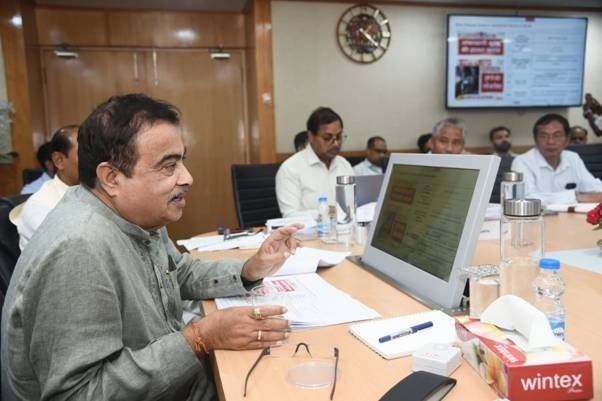
NEW DELHI — In a major high-level intervention focused on highway durability and commuter safety, the Union Minister of Road Transport and Highways, Shri Nitin Gadkari, chaired separate review meetings to evaluate the progress, quality, and maintenance of 7,271 kilometers of National Highways across Jharkhand and Uttarakhand.
The review covered 3,245 km of the highway network in Jharkhand and 4,026 km of highway projects in Uttarakhand. The sessions were attended by Minister of State for Road Transport and Highways, Shri Ajay Tamta, alongside top officials from MoRTH, the National Highways Authority of India (NHAI), the National Highways & Infrastructure Development Corporation Limited (NHIDCL), and primary project contractors.
Media-Driven Accountability & Quality Controls
In a distinct shift toward proactive governance, the Ministry initiated these localized reviews based on public feedback and quality pain-points flagged through media reports and social media platforms.
Shri Gadkari issued strict directives to contractors and regional highway authorities to address riding quality and eliminate structural delays.
Core Quality & Technology Mandates:
-
Adherence to Standards: Immediate escalation of on-ground execution with zero tolerance for sub-standard materials or structural finishes.
-
Technological Integration: Wider adoption of modern, sustainable construction technologies to extend the life cycle of heavy-traffic corridors.
-
Accountability: Tightening of third-party quality monitoring frameworks for concessionaires and engineering firms.
Monsoon Preparedness and Disaster Mitigation
With the monsoon season advancing, the Minister placed special emphasis on climate resilience, particularly for the ecologically sensitive and landslide-prone terrains of Uttarakhand and the undulating corridors of Jharkhand.
He instructed all project directors to execute immediate, comprehensive preventative measures:
“Timely intervention and coordinated action are essential to minimise disruptions, ensure commuter safety, and enhance the long-term durability and resilience of National Highway infrastructure.” — Shri Nitin Gadkari, Union Minister of Road Transport and Highways
Pre-Monsoon Action Plan:
-
Drainage Systems: Intensive clearing and restructuring of highway drainage networks to avoid waterlogging and sub-grade soil erosion.
-
Slope Protection: Reinforcing vulnerable hillsides and cutting zones in hill tracks with advanced retaining walls and slope stabilization techniques to prevent major landslides.
-
Quick-Response Teams: Setting up heavily equipped, decentralized emergency response stations along key arterial roads to rapidly clear debris, manage detours, and restore connectivity during extreme weather events.
