



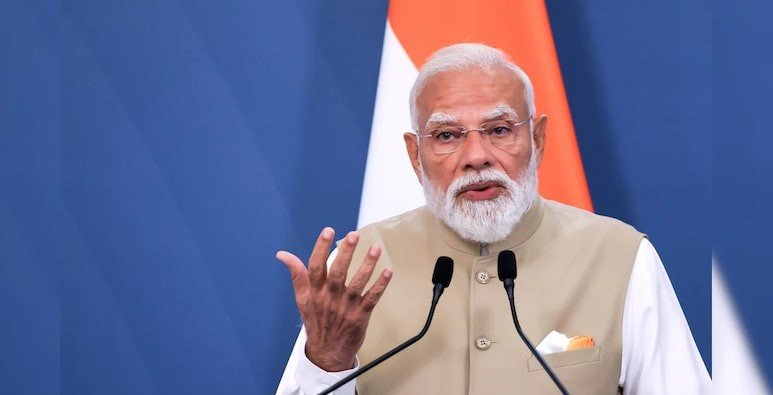
NEW DELHI — Prime Minister Narendra Modi inaugurated the three-day Semicon India conference in New Delhi today, signaling a massive national push to position the country as a global hub for semiconductor design, manufacturing, and supply chain logistics.
The high-profile convention features over 600 exhibitors, 150 speakers, and representatives from 300 global enterprises across a 15,000-square-meter facility, highlighting India’s expanding role in the global electronics and artificial intelligence ecosystem.
Key Financial Commitments & Strategic Objectives
-
Capital Subsidies: India backed its initial $10 billion (₹83,000 crore) semiconductor incentive scheme with an additional ₹1.9 trillion ($19.8 billion) outlay to scale domestic chip manufacturing and electronics assembly.
-
Manufacturing Foundations: Initial subsidy tranches successfully expanded Apple Inc.’s iPhone production in India to 25% of global output, establishing the operational blueprint for the semiconductor sector.
-
Economic Transformation: The strategic push aims to modernize the economy, boost high-value export capabilities, and transition labor from agriculture to high-tech manufacturing roles.
Industrial Progress & Corporate Footprint
-
Tata Group: Currently building a commercial semiconductor fabrication plant in Gujarat (projected operational by early 2028), alongside advanced chip packaging and testing facilities.
-
Micron Technology: Commenced chip assembly and memory packaging operations.
-
Murugappa Group: Actively scaling semiconductor packaging and assembly capabilities.
-
Comprehensive Supply Chain: Government initiatives now offer seed capital for chip-design startups, capital subsidies for fab equipment suppliers, and grants for new assembly plants.
