



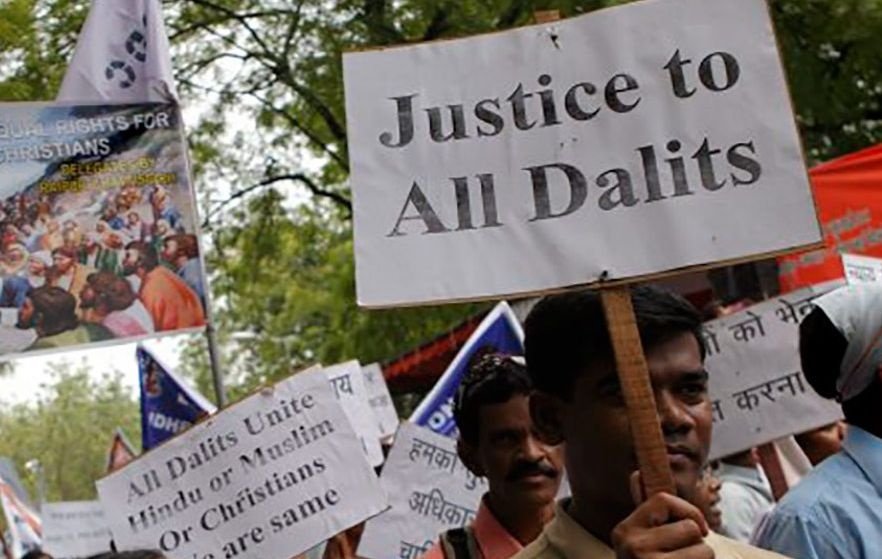
NEW DELHI — The Supreme Court ruled on Tuesday, March 24, 2026, that only individuals professing the Hindu, Sikh, or Buddhist faiths can claim Scheduled Caste (SC) status. The Bench, comprising Justices P.K. Mishra and Manmohan, held that converting to any other religion, such as Christianity, results in the immediate loss of SC status and its associated legal protections.
The Ruling on the SC/ST Act
The Court specifically clarified that a Dalit person who converts to Christianity cannot seek protection or file complaints under the Scheduled Castes and Scheduled Tribes (Prevention of Atrocities) Act.
“No person who professes a religion other than Hindu, Sikh or Buddhist shall be a member of Scheduled Caste. Conversion to any other religion results in loss of Scheduled Caste status,” the Bench ruled.
Background of the Case
The judgment dismissed an appeal by Chinthada Anand, a pastor from Andhra Pradesh, who had filed a complaint under the SC/ST Act alleging caste-based abuse.
-
High Court Verdict: In May 2025, the Andhra Pradesh High Court quashed the FIR against the accused, noting that Anand lost his SC status upon conversion.
-
The “Caste-Less” Argument: The courts maintained that because Christianity does not recognize caste distinctions, an individual cannot claim to be a member of a “Scheduled Caste” after joining the faith.
-
Certificate Validity: The Supreme Court upheld the view that holding an SC certificate is irrelevant if the individual has actively converted to a non-recognized faith.
Legal Context: The 1950 Presidential Order
The ruling reinforces the Constitution (Scheduled Castes) Order, 1950, which originally limited SC status to Hindus. It was later amended in 1956 to include Sikhs and in 1990 to include Buddhists. Groups seeking to include Dalit Christians and Muslims in the SC category have several petitions currently pending before larger benches of the apex court.
