



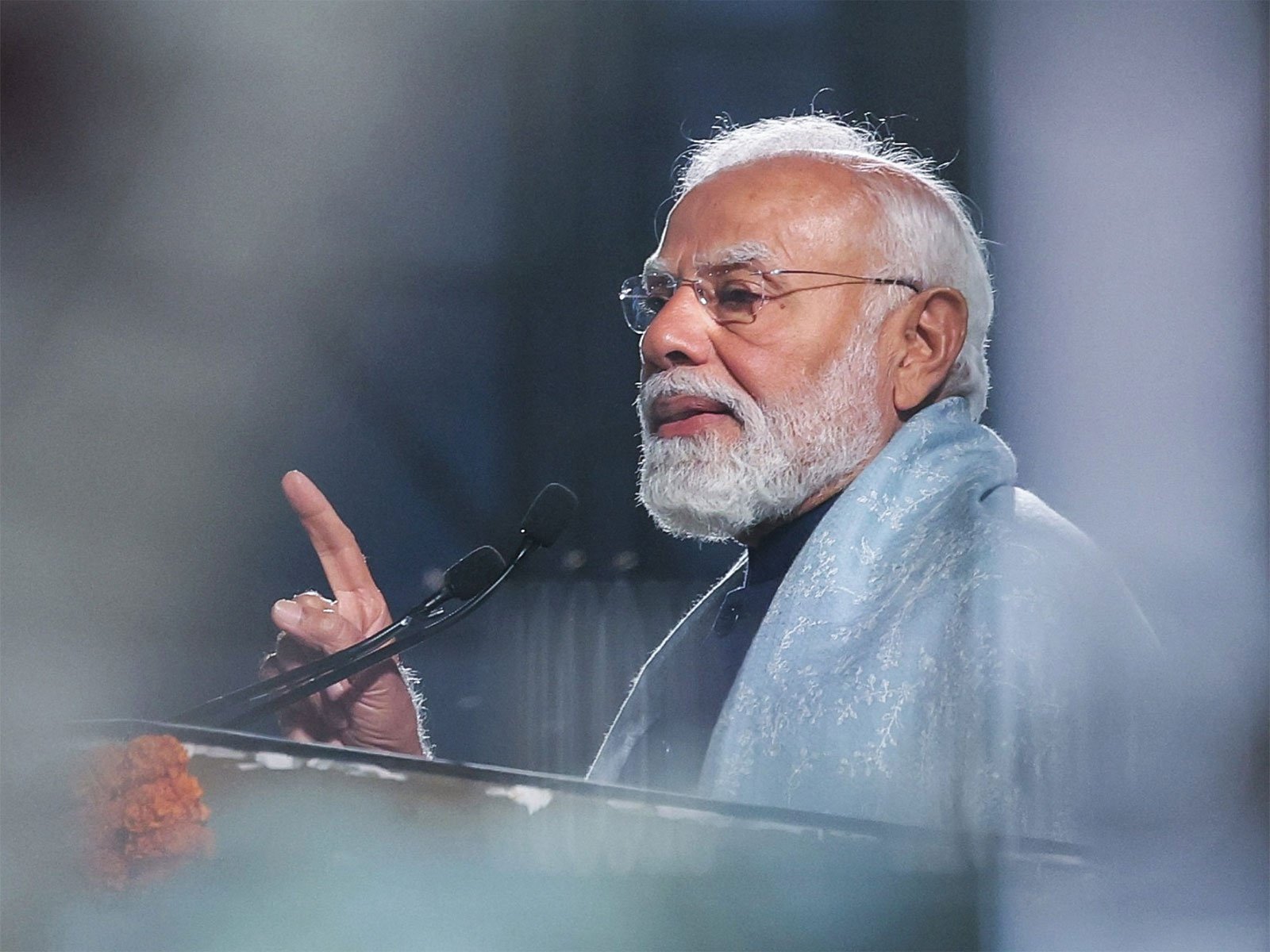
NEW DELHI — Marking the anniversary of the imposition of the 1975 Emergency, Prime Minister Narendra Modi paid solemn homage to the citizens and political leaders who fought to restore democratic values in India. Describing the period as one of the darkest chapters in the nation’s post-independence history, the Prime Minister used the occasion to reaffirm his government’s absolute commitment to protecting the Constitution and the civil liberties of India’s 140 crore citizens.
The day was observed nationally as #SamvidhanHatyaDiwas (Constitution Murder Day), serving as a reminder of the institutional challenges faced by the republic in the past.
The Emergency: A Direct Assault on Constitutional Pillars
In a detailed statement shared on social media platform X, Prime Minister Modi highlighted the systematic dismantling of democratic institutions that characterized the 21-month Emergency period:
-
Suspension of Rights: The era witnessed the complete suspension of fundamental civil liberties and aggressive curbs on the freedom of expression and press freedom.
-
Institutional Crackdown: Mass arrests targeted political dissidents, journalists, social workers, and opposition leaders, shaking the foundational bedrocks of India’s democratic framework.
-
Citizen Resilience: The Prime Minister emphasized that while institutions fell under immense pressure, the period simultaneously showcased the extraordinary courage of ordinary citizens who refused to remain silent.
“Today, we pay homage to all those who steadfastly defended democratic values during one of the darkest chapters in India’s history, the Emergency. The Emergency was a direct assault on our Constitution… #SamvidhanHatyaDiwas reminds us of that dark era when Indian democracy was brutally crushed.” — Narendra Modi, Prime Minister of India
Reaffirming Commitment via Sanskrit Heritage
To underscore the foundational importance of liberty to human progress and statecraft, Prime Minister Modi shared a Sanskrit Subhashitam (wise aphorism), illustrating the philosophical core of the nation’s democratic struggle:
“स्वातन्त्र्यात् सुखमाप्नोति स्वातन्त्र्याल्लभते परम्। स्वातन्त्र्यान्निर्वृत्तिं गच्छेत् स्वातन्त्र्यात् परमं पदम् ।।”
(Through freedom, one attains happiness; through freedom, one achieves the highest good. From freedom springs true peace, and freedom alone leads to the ultimate state of fulfillment.)
Guiding Principles for the Future
The Prime Minister reiterated that the Constitution is not merely a legal text but a living embodiment of the collective aspirations, rights, and responsibilities of the entire population. He emphasized that the nation must remain permanently vigilant against any future authoritarian overreach.
Moving forward, the Union government pledged to strengthen India’s democratic foundations, ensuring that the core constitutional pillars of justice, liberty, equality, and fraternity remain fully insulated from political interference.
